What Diseases Can Stem Cells Treat? Applications in Modern Medicine
What Are Stem Cells?
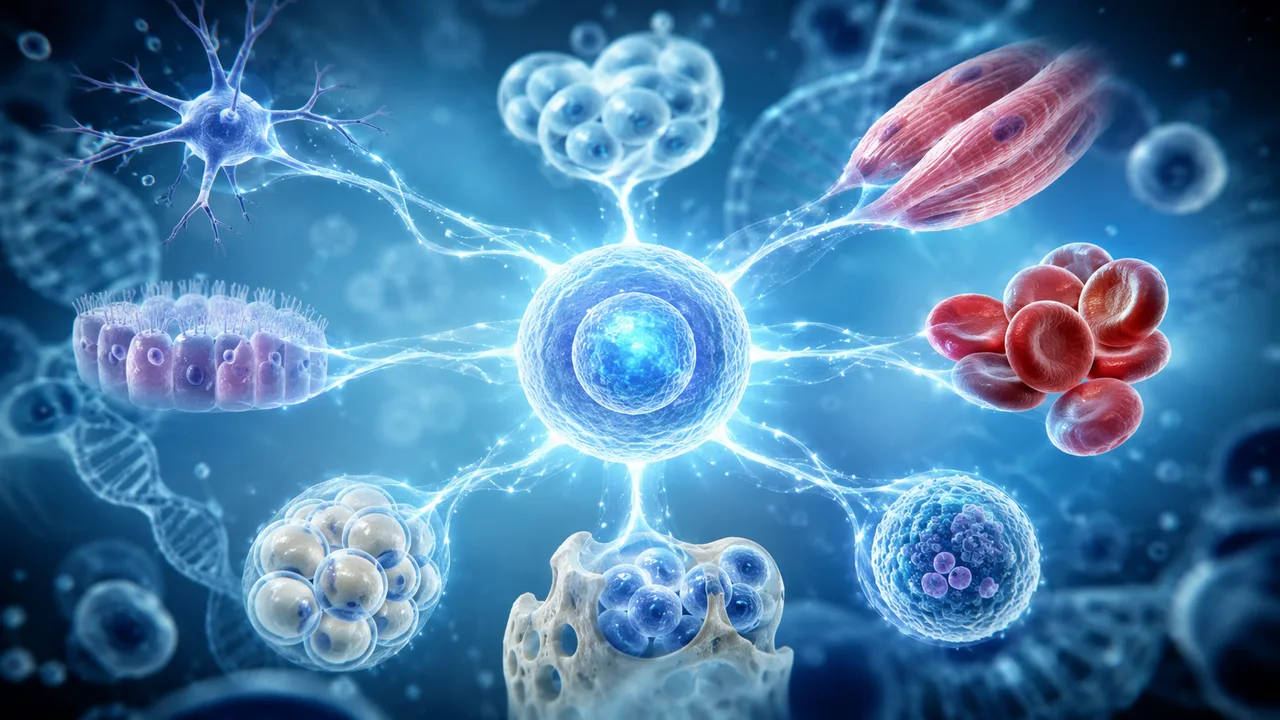
Stem cells are undifferentiated cells with the ability to self-renew and develop into many specialized cell types in the body. Because of this property, stem cells are regarded as a vital foundation of regenerative medicine.
Unlike many traditional treatments, which mainly control symptoms, stem cell technology aims to help repair damaged tissue, regenerate function, and improve patients' quality of life.
However, stem cells are not a method capable of curing every disease. Their effectiveness depends on the type of disease, the patient's condition, the type of stem cells used, and the treatment protocol.
How Stem Cells Work
Stem cells can participate in the body's recovery process through several different mechanisms, including:
- Differentiating into specialized cells.
- Helping to replace damaged cells.
- Secreting growth factors that promote tissue regeneration.
- Regulating inflammatory and immune responses.
- Improving the microenvironment at the site of injury.
Thanks to these mechanisms, stem cells are being studied and applied across many fields of modern medicine.
What Diseases Can Stem Cells Be Used For?
1. Hematological Disorders
Hematopoietic stem cell transplantation is one of the most widely used applications in clinical practice. This method is applied in the treatment of conditions such as:
- Leukemia
- Lymphoma
- Multiple myeloma
- Aplastic anemia
- Certain immune and genetic disorders
The goal of this method is to restore the hematopoietic system after the patient has undergone chemotherapy, radiation therapy, or intensive treatment regimens.
2. Musculoskeletal Diseases
Mesenchymal stem cells have attracted considerable interest in the treatment of musculoskeletal diseases. Commonly studied applications include osteoarthritis, cartilage damage, tendinitis, ligament injuries, and delayed bone healing.
In this group of conditions, stem cells play a role in helping to reduce inflammation, promote tissue regeneration, and improve mobility.
3. Cardiovascular Disease
After a myocardial infarction or in heart failure, damaged heart muscle tissue often struggles to fully recover on its own. For this reason, stem cells are being studied to help repair the damaged heart muscle, improve cardiac function, and slow the progression of heart failure.
Despite their considerable potential, stem cell applications in cardiovascular disease still require further clinical research to evaluate their long-term efficacy and safety.
4. Neurological Diseases
In the field of neurology, stem cells are being studied for conditions such as Parkinson's disease, Alzheimer's disease, stroke, spinal cord injury, and brain injury.
The main goal is to help regenerate or protect nerve cells and to improve motor function, cognition, and quality of life. However, most applications in this group of diseases are still in the research or clinical trial stage.
5. Diabetes
One notable line of research is the use of stem cells to generate pancreatic beta cells capable of secreting insulin. This is a promising approach for diabetes, particularly type 1 diabetes.
If successfully developed, this method could open up the possibility of restoring insulin-secreting function rather than merely controlling blood sugar with medication.
6. Wound Healing and Skin Regeneration
Stem cells play an important role in the wound healing process. They can help promote blood vessel formation, stimulate fibroblasts, drive collagen synthesis, and improve skin regeneration.
As a result, stem cells are being studied in the treatment of chronic wounds, diabetic ulcers, burns, skin damage, and post-surgical scars.
7. Aesthetics and Health Care
In the field of aesthetics, stem cell-related technologies are applied to help rejuvenate the skin, improve elasticity, restore skin after damage, and stimulate tissue regeneration.
However, aesthetic services involving stem cells must be performed at specialized facilities with clear protocols and assured biosafety standards.
Benefits of Stem Cell Technology
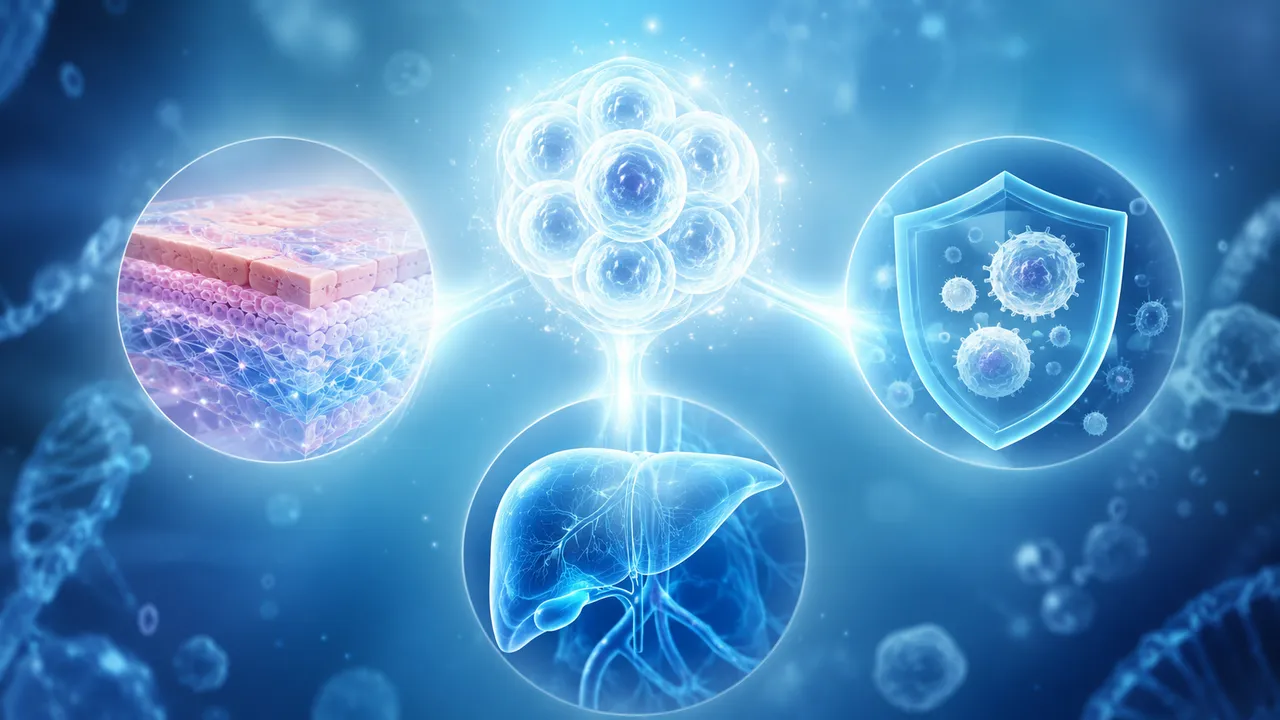
Stem cell technology offers many benefits in modern medicine, including:
- Helping to repair damaged tissue.
- Promoting the body's natural regeneration process.
- Reducing inflammatory responses.
- Regulating the immune system.
- Opening up new treatment directions for many complex diseases.
- Contributing to the development of personalized medicine.
This is why stem cells are receiving increasing attention in research, treatment, and the development of regenerative medicine services.
Considerations for Stem Cell Treatment
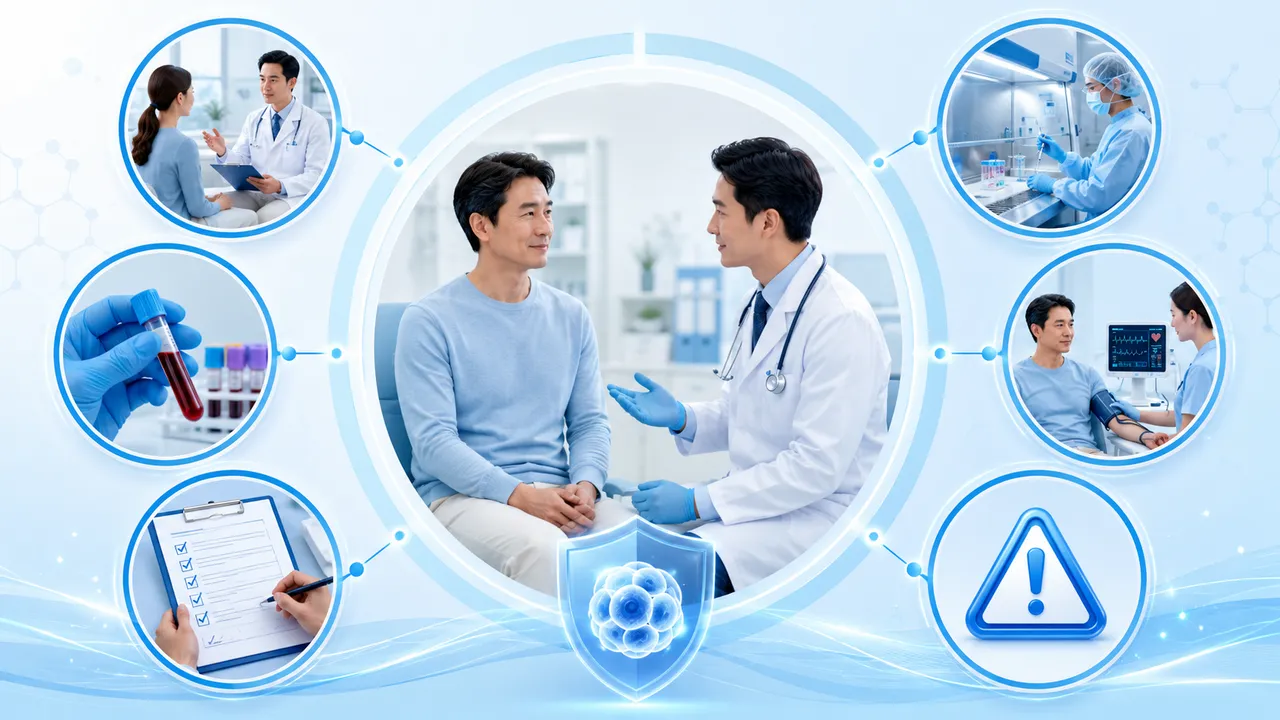
Although they hold great potential, patients need to have a correct understanding of stem cell technology. It should not be viewed as a cure-all or as something that is fully effective in every case.
Before choosing stem cell therapy, keep the following in mind:
- Only undergo treatment at licensed facilities.
- Have a specialist physician provide consultation and monitoring.
- Ensure the cell processing procedure meets required standards.
- Do not trust advertisements that promise a 100% cure.
- Fully assess the benefits, risks, and costs of treatment.
The application of stem cells must be based on scientific evidence, appropriate indications, and rigorous quality-control procedures.
Conclusion
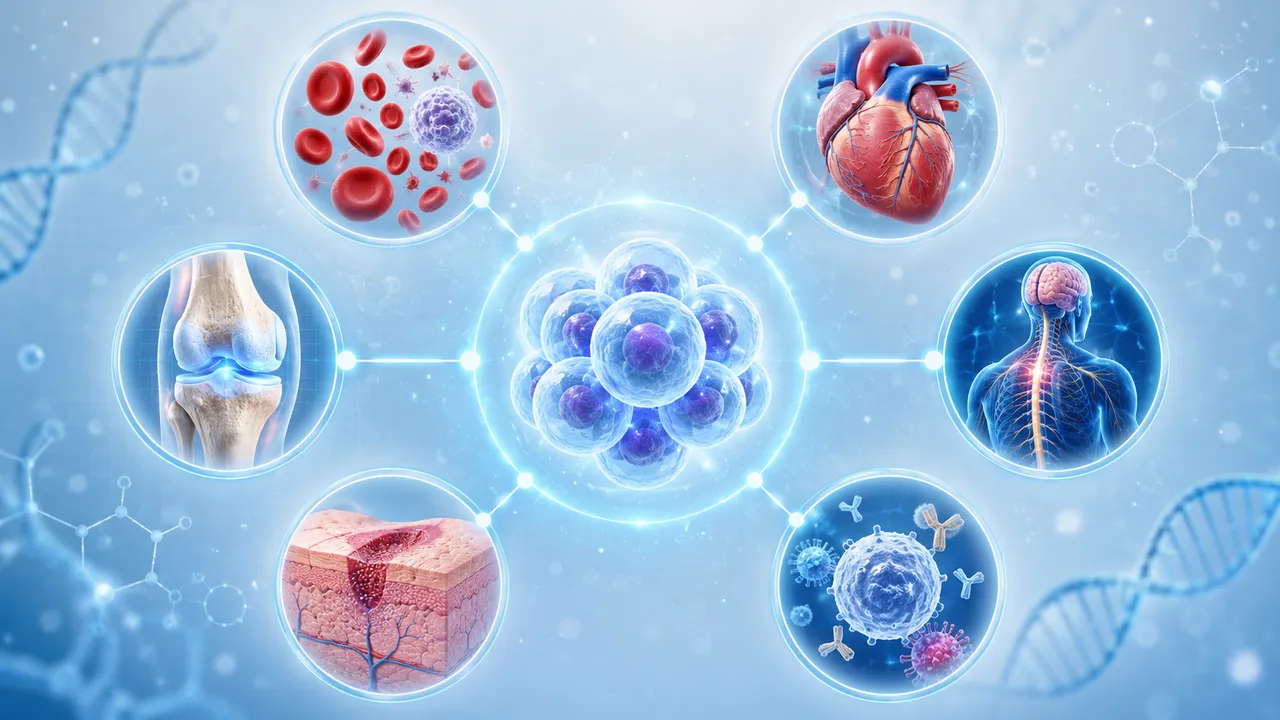
Stem cells are one of the key technologies of regenerative medicine, with potential applications across many fields such as hematology, musculoskeletal disorders, cardiovascular disease, neurology, diabetes, wound healing, and aesthetic care.
However, the effectiveness of this technology depends on each disease, each patient, and the quality of the procedure performed. Therefore, choosing a reputable facility, a team of specialists, and a scientifically grounded method are crucial factors in ensuring safety and efficacy.
In the future, alongside advances in biotechnology, stem cells are expected to continue expanding their role in treating disease, repairing damaged tissue, and improving people's quality of life.