ODB Biological & Musculoskeletal Recovery: Supporting Movement, Reducing Functional Decline, and Long-Term Care
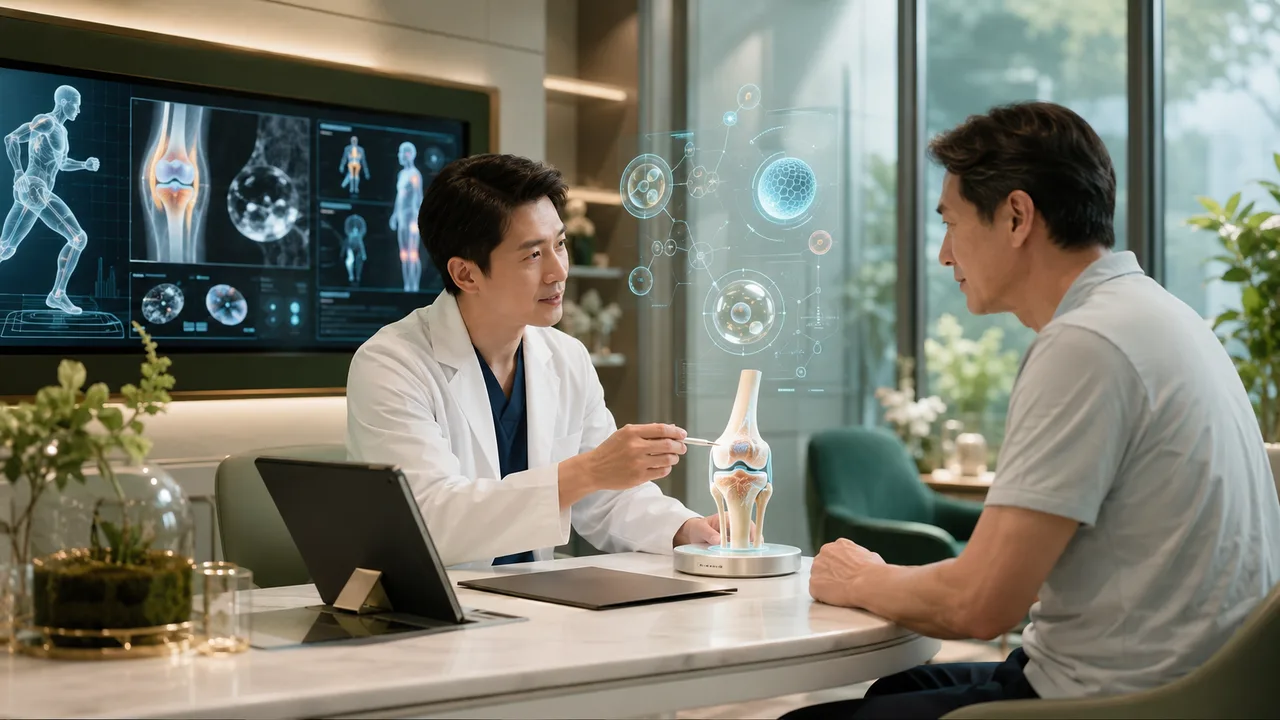
What is biological and musculoskeletal recovery?
Biological and musculoskeletal recovery is a field focused on assessing, caring for, and supporting the functional recovery of the musculoskeletal system, including bones, joints, muscles, tendons, ligaments, and related soft-tissue structures.
Unlike approaches that focus only on pain symptoms, biological recovery addresses underlying causes such as tissue degeneration, chronic inflammation, metabolic disorders, reduced regenerative capacity, mechanical imbalance, muscle weakness, reduced flexibility, or poor recovery after injury.
At ODB, biological and musculoskeletal recovery is positioned as an important area of expertise that connects regenerative medicine, cell technology, proactive health care, personalized medicine, and individualized functional rehabilitation.
Why is biological and musculoskeletal recovery an important area of expertise at ODB?
Musculoskeletal problems are among the most common causes of pain, limited mobility, and reduced quality of life. Joint pain, osteoarthritis, back pain, neck and shoulder pain, tendon or ligament injuries, or slow recovery after injury can directly affect daily activities, work, and long-term health.
In many cases, pain is not merely a manifestation at a single joint or muscle area. It may be related to posture, a sedentary lifestyle, excess weight, chronic inflammation, metabolic disorders, age, or impaired tissue recovery.
ODB develops the field of biological and musculoskeletal recovery in order to approach the musculoskeletal system more comprehensively: assessing causes, identifying risk factors, supporting functional recovery, and building a long-term care pathway suited to each individual.
Comprehensive assessment of the musculoskeletal system
An effective musculoskeletal care pathway needs to begin with a comprehensive assessment. Focusing only on the site of pain may overlook underlying factors that cause the condition to persist or recur.
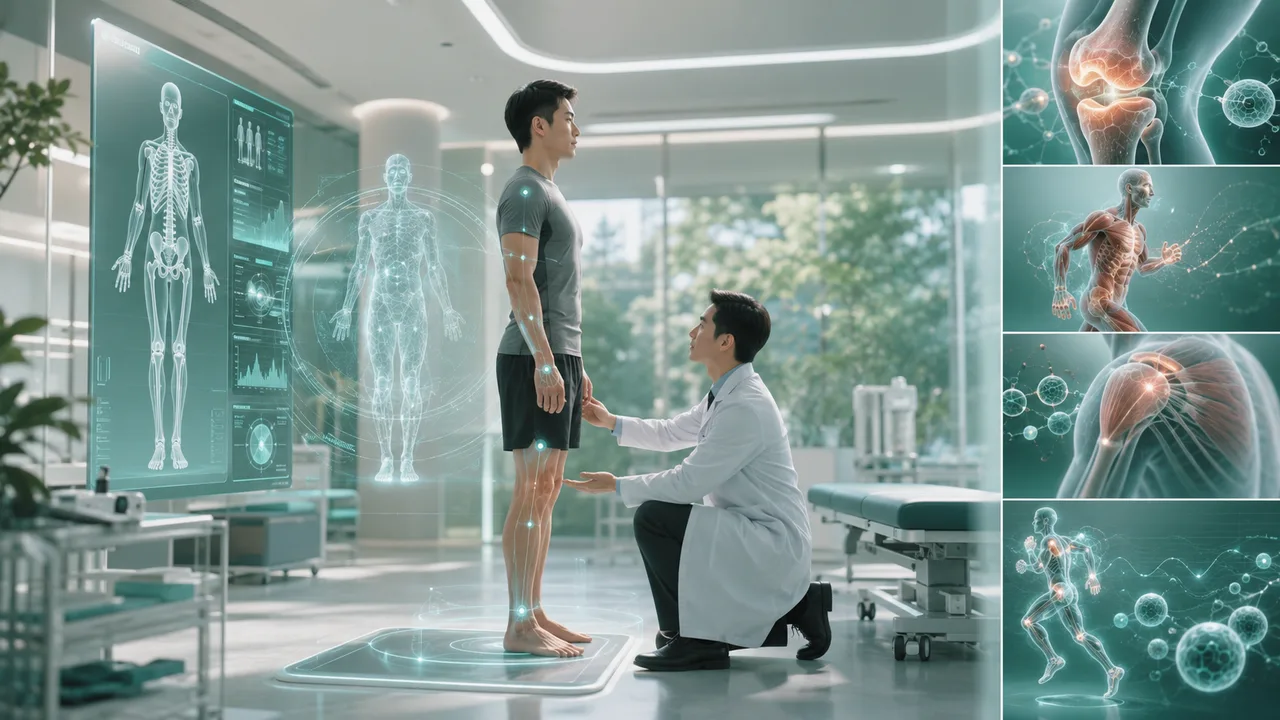
At ODB, the assessment process may consider a number of factors, such as:
- The location and severity of pain, and how long symptoms have been present.
- Mobility, joint range of motion, and muscle strength.
- A history of injury, surgery, or musculoskeletal disease.
- Posture, movement habits, and the nature of one's work.
- Weight, metabolism, chronic inflammation, and overall health status.
- The degree of recovery after activity or after injury.
- Personal goals: reducing pain, improving movement, restoring function, or maintaining long-term health.
A comprehensive assessment helps build a more appropriate care plan, avoids fragmented interventions, and improves the ability to monitor progress over time.
Toward restoring the biological function of tissue
The musculoskeletal system needs not only pain relief but also the restoration of mobility and the biological function of tissue. Tissues such as cartilage, tendons, ligaments, and muscle have different recovery characteristics, depending on age, blood circulation, the extent of damage, inflammatory status, and level of physical activity.
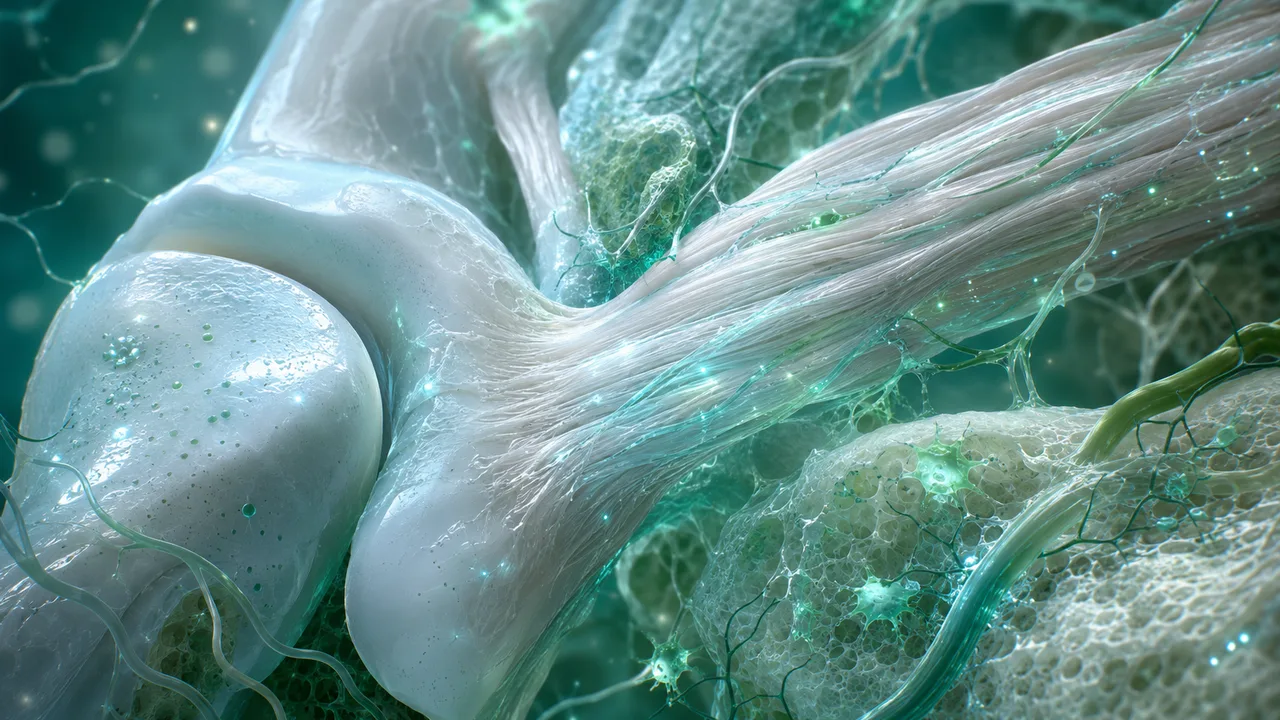
Biological recovery aims to support a favorable environment for wound healing and tissue remodeling. This may include controlling inflammation, adjusting mechanical load, improving muscle strength, providing nutritional support, monitoring metabolism, and selecting appropriate professional solutions.
At ODB, the goal is not only to improve the immediate sensation of pain but also to maintain sustainable movement function and reduce the risk of recurrence.
The role of regenerative medicine in musculoskeletal care
Regenerative medicine is opening up many research directions in musculoskeletal care, particularly for conditions involving tissue degeneration and damage to cartilage, tendons, ligaments, and soft tissue.
The mechanisms of interest in musculoskeletal regenerative medicine include:
- Regulating the inflammatory response at damaged tissue.
- Supporting the recovery environment of cartilage, tendons, and soft tissue.
- Promoting the process of tissue remodeling.
- Improving biological signaling related to wound healing.
- Supporting movement function when combined with appropriate rehabilitation.
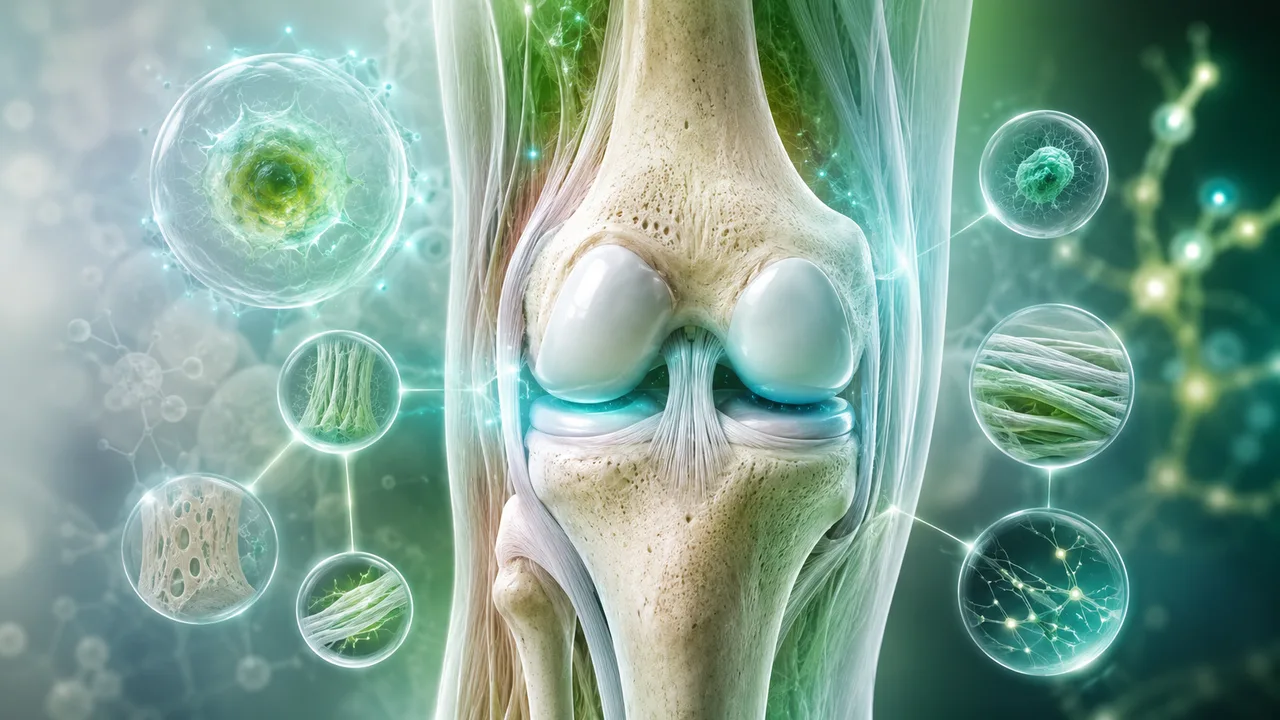
However, not every regenerative technology is suitable for all patients. The choice of method must be based on professional assessment, the extent of the damage, the degree of degeneration, treatment goals, and scientific evidence.
Connecting cell technology with musculoskeletal recovery
In the musculoskeletal field, mesenchymal stem cells, cell secretome, exosomes, and biological factors are being studied for their potential in regulating inflammation, supporting tissue repair, and improving the microenvironment at the site of damage.
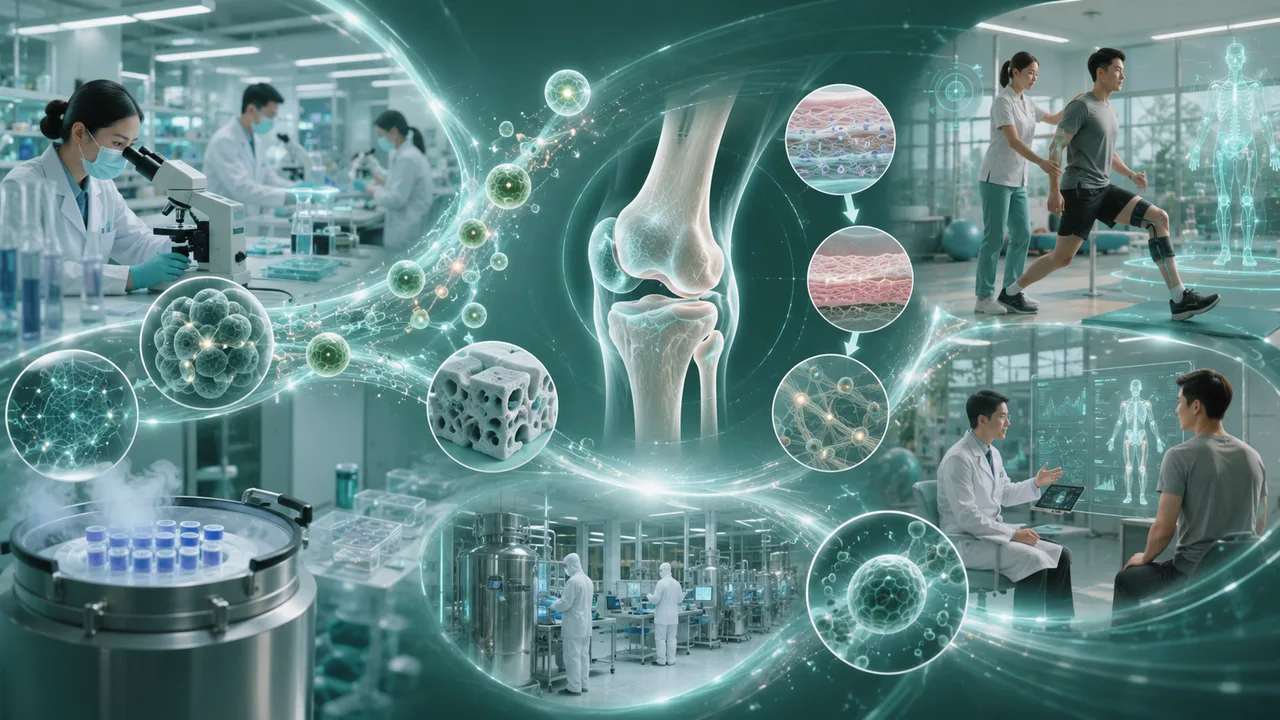
At ODB, research directions involving cell technology are placed within a framework of quality control, biosafety, and careful evaluation. This is especially important because applications involving cells or biological products require clear procedures, appropriate testing standards, and specific professional indications.
ODB does not approach cell technology as a “quick cure,” but views it as part of a regenerative medicine ecosystem that must be researched, standardized, and applied responsibly.
Personalizing the recovery pathway
Each person has a different musculoskeletal condition. Two patients with the same knee pain may differ in the degree of degeneration, body weight, muscle strength, metabolism, level of inflammation, occupation, movement habits, and recovery goals.
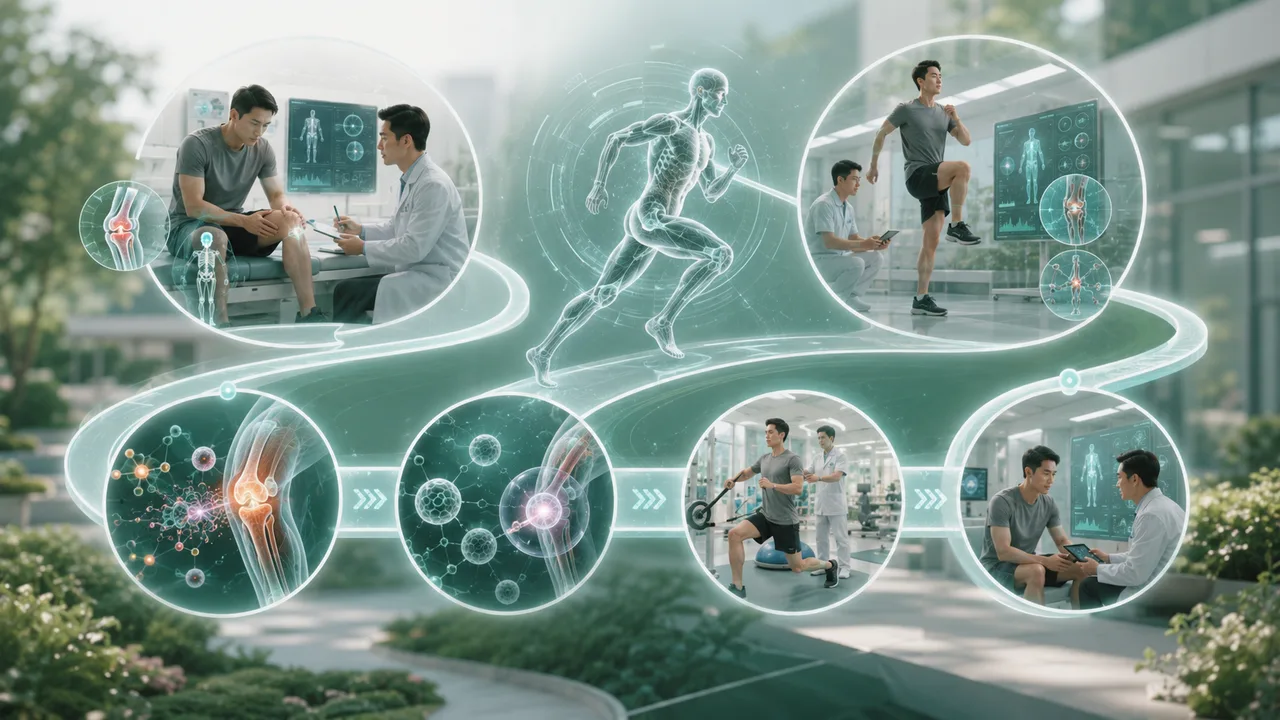
Therefore, personalization is an important factor in biological and musculoskeletal recovery. At ODB, the care pathway may be built based on:
- Pain status and movement function.
- The extent of damage or degeneration.
- Findings from examination and relevant tests when needed.
- Overall health, metabolic, and immune baseline.
- Responsiveness to each method.
- The patient's goals in daily life, sport, or work.
- A plan for monitoring and adjustment at each stage.
A personalized approach improves suitability, limits one-size-fits-all treatment, and supports more sustainable outcomes.
Combining rehabilitation with proactive care
Musculoskeletal recovery cannot be separated from movement therapy, lifestyle habits, and proactive health care. After pain is relieved or symptoms improve, patients still need to maintain muscle strength, flexibility, correct posture, and the ability to control the load placed on their joints.
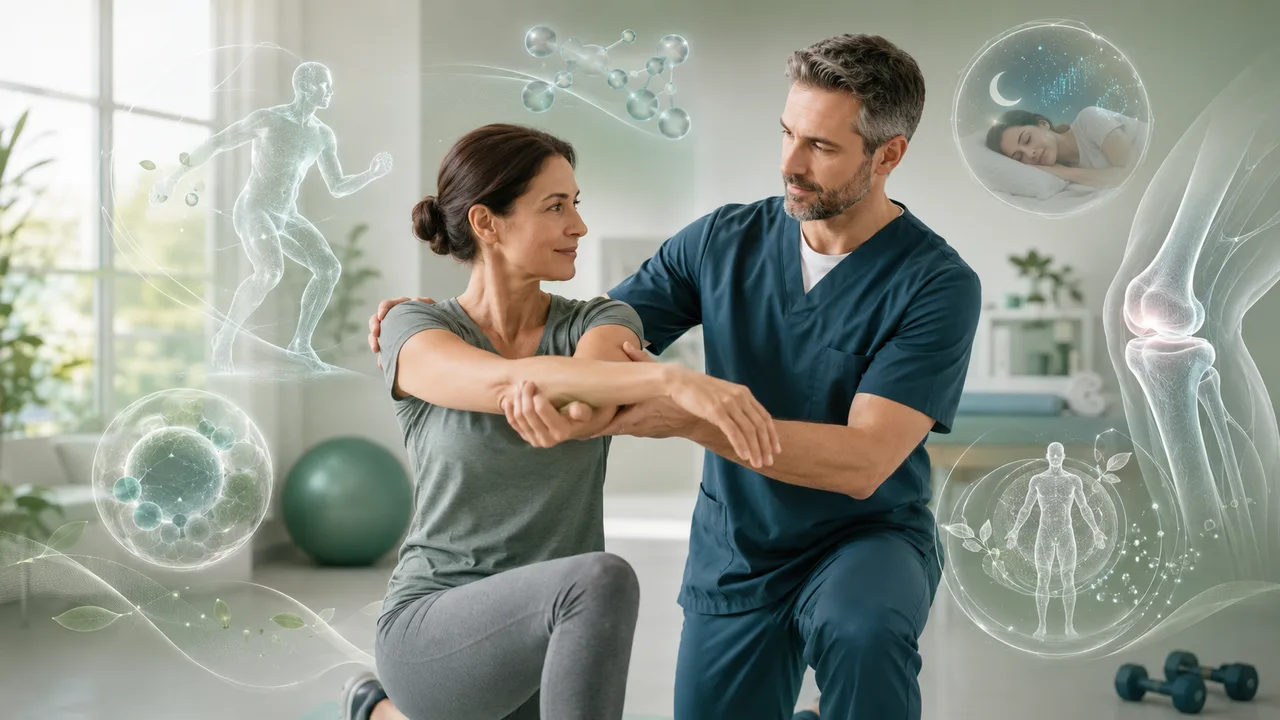
At ODB, biological recovery may be connected with proactive care directions such as:
- Regular health monitoring.
- Weight and metabolic management.
- Improving sleep and restoring energy.
- Controlling low-grade chronic inflammation.
- Guidance on appropriate physical activity.
- Maintaining a care pathway after intervention.
This coordination helps patients not only improve a single symptom but also build a healthier foundation for movement over the long term.
Commonly addressed groups of conditions
Biological and musculoskeletal recovery may involve many different groups of conditions, including:
- Joint pain, osteoarthritis, and joint stiffness.
- Back pain, neck and shoulder pain, and posture-related pain.
- Tendon, ligament, and soft-tissue injuries.
- Recovery after sports injuries.
- Reduced mobility due to aging.
- Decline in muscle strength and flexibility.
- Chronic pain related to inflammation or overload.
- Musculoskeletal care for people who want to maintain an active lifestyle.
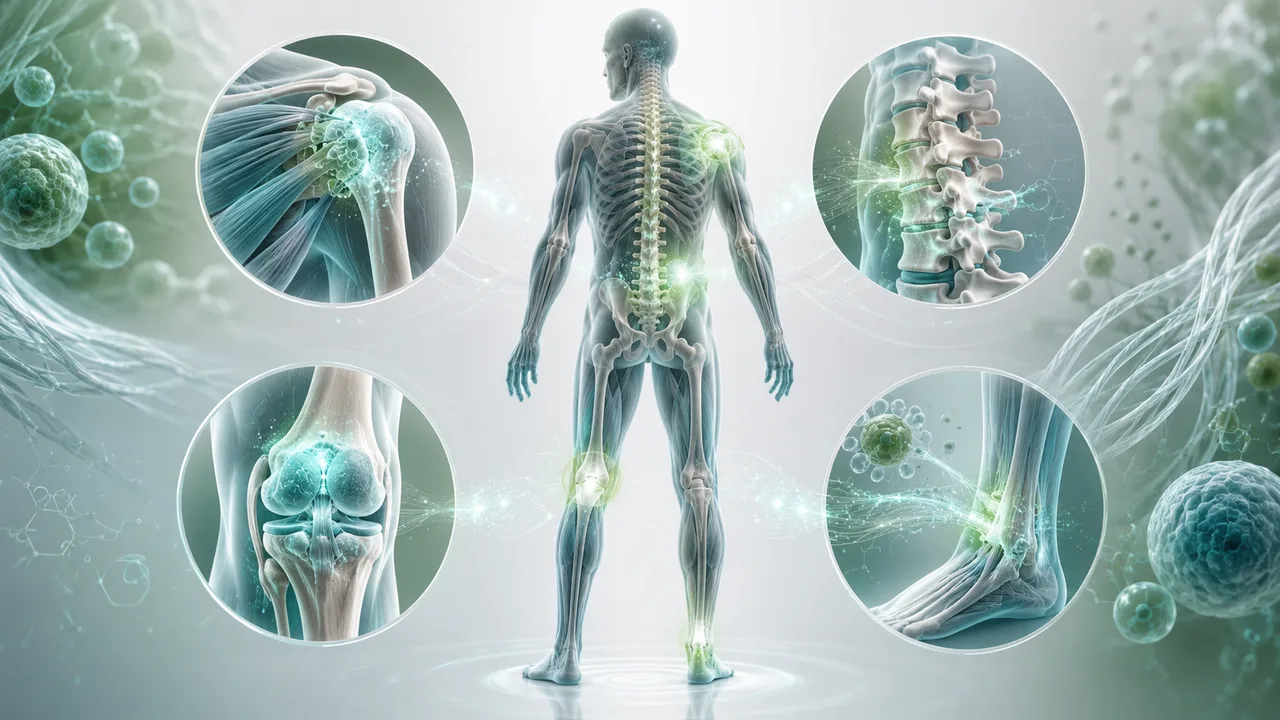
Each condition needs to be assessed individually. Patients should not apply interventions or high-intensity exercise on their own without appropriate examination and advice.
Benefits of biological and musculoskeletal recovery
Biological and musculoskeletal recovery offers many benefits in modern health care:
- Helping reduce pain and improve movement.
- Helping identify causes and risk factors.
- Supporting the functional recovery of tissue and joints.
- Personalizing the care pathway to each condition.
- Connecting treatment, rehabilitation, and proactive care.
- Supporting the maintenance of long-term mobility.
- Contributing to improved quality of life and independence in daily activities.
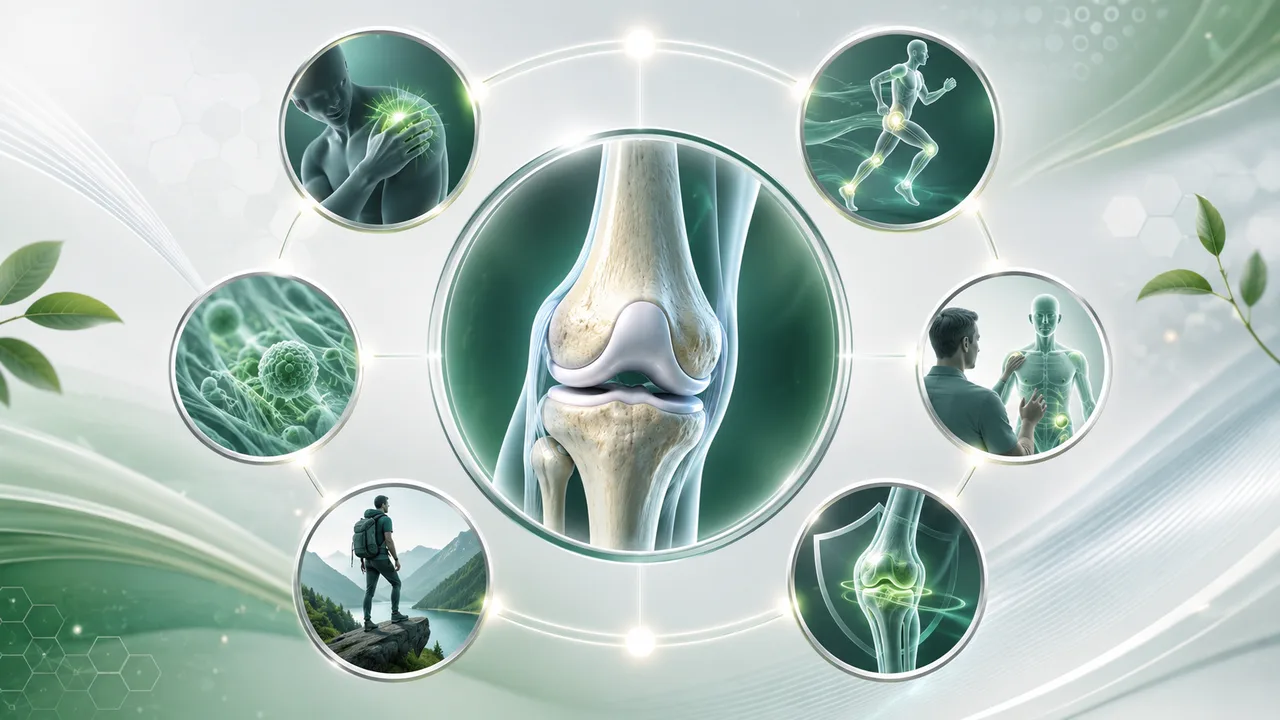
This is a suitable approach for those who wish to care for their musculoskeletal system in a scientific, safe, and sustainable way.
ODB as a companion on the journey to sustainable movement recovery
At ODB, biological and musculoskeletal recovery is not merely about treating pain symptoms; it is a journey of assessing, caring for, and monitoring movement function in a personalized way.
ODB aims to connect regenerative medicine, cell technology, proactive health care, and rehabilitation within a professional ecosystem. The goal is to help clients better understand the state of their body, choose appropriate solutions, and maintain long-term musculoskeletal health.
Choosing ODB means choosing a musculoskeletal care model grounded in science, safety, and a commitment to sustainable recovery.
Note
The information in this article is intended to introduce professional directions and provide reference knowledge. The content does not replace consultation, diagnosis, or treatment prescribed by a specialist physician. Clients should speak directly with the professional team to receive assessment and advice appropriate to their musculoskeletal condition and personal health.