ODB Regenerative Dermatology: Restoring the Skin Foundation, Improving Damage, and Personalized Skincare
What is regenerative dermatology?
Regenerative dermatology is an approach in modern skincare that focuses on supporting the restoration of the skin's structure and biological function. Instead of merely addressing surface manifestations such as acne, melasma, dullness, or wrinkles, regenerative dermatology looks more deeply at the skin foundation, the skin barrier, chronic inflammation, the wound-healing process, and the skin tissue's capacity for self-repair.
This field combines knowledge from dermatology, regenerative medicine, biotechnology, personalized healthcare, and skin-restoration methods tailored to each individual.
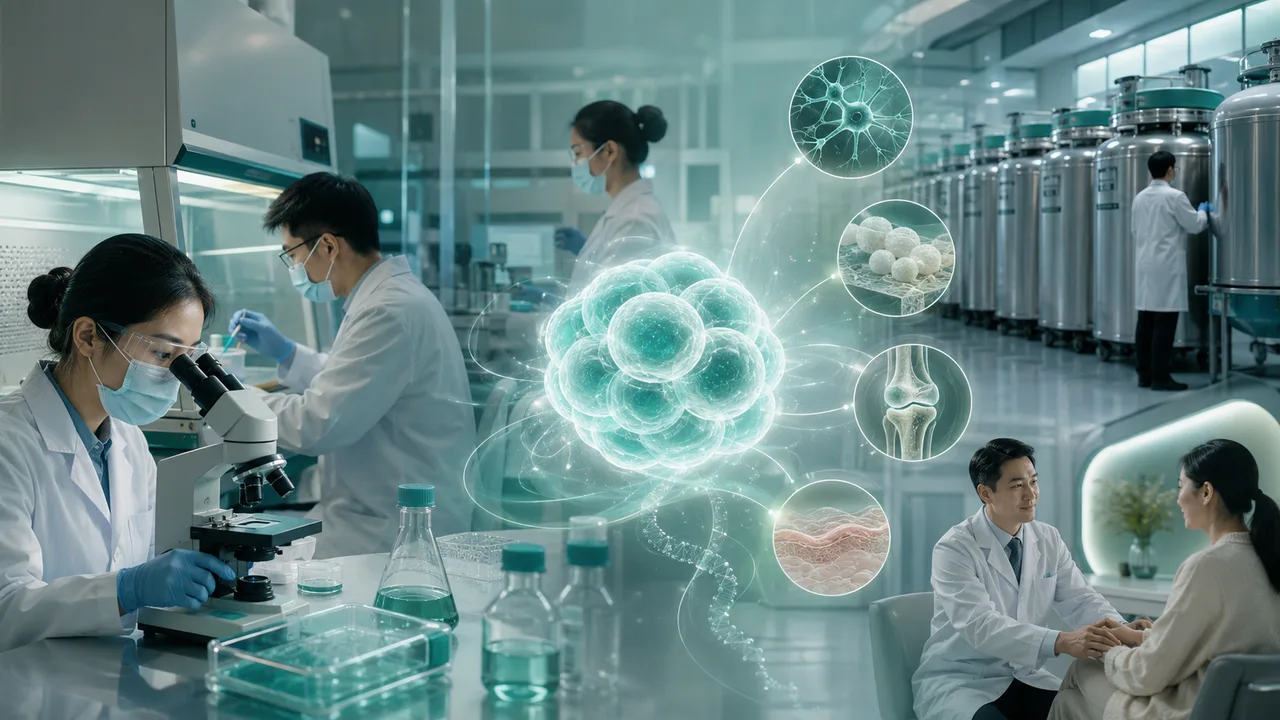
At ODB, regenerative dermatology is positioned as an important area of expertise, bridging the premium dermatology clinic, cell technology, research into exosomes and cell secretomes, immunology, and proactive healthcare.
Why is regenerative dermatology an important area of expertise at ODB?
The skin is the body's largest organ and is continually affected by aging, sun exposure, pollution, hormones, stress, nutrition, sleep, and pathological factors. When the skin barrier weakens or the natural repair process is disrupted, the skin is prone to prolonged inflammation, sensitivity, premature aging, hyperpigmentation, scarring, or damage that is difficult to repair.
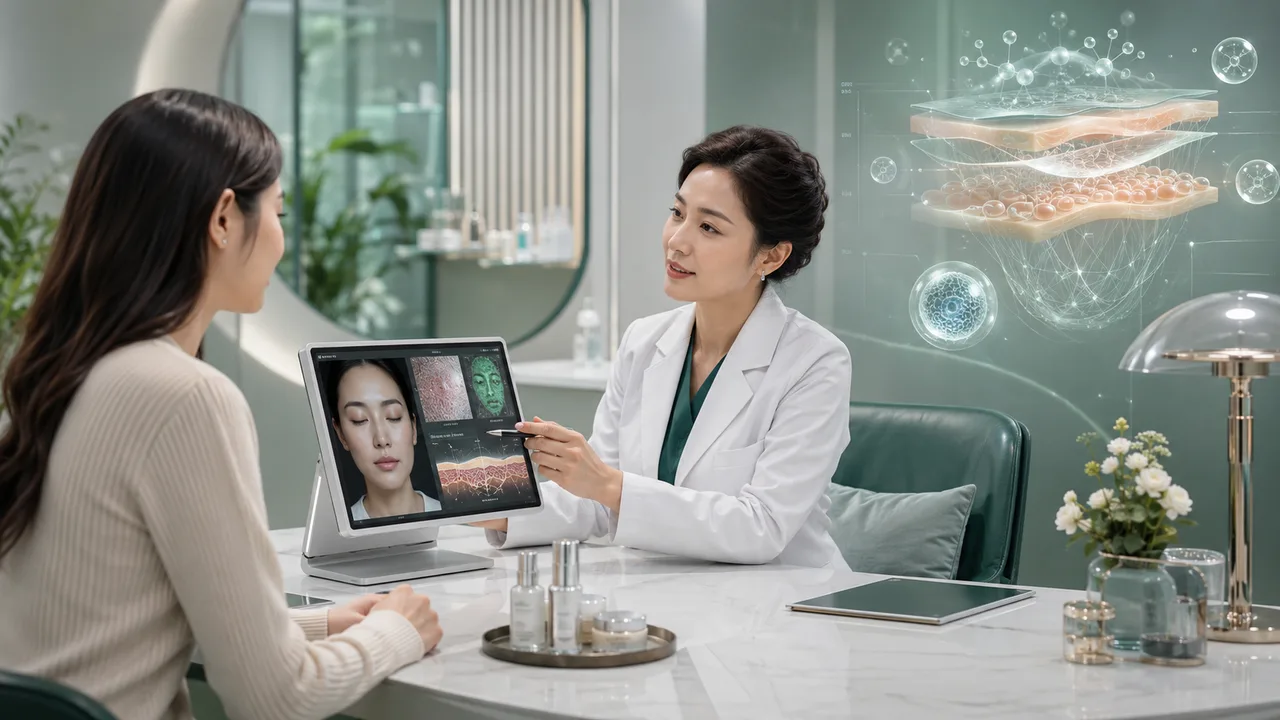
ODB develops regenerative dermatology in order to approach the skin more fundamentally: assessing the condition of the skin foundation, identifying contributing factors, selecting appropriate care methods, and monitoring the response at each stage.
This is what sets it apart from purely cosmetic skincare models. At ODB, regenerative dermatology aims not only at aesthetic improvement but also emphasizes restoring skin health in a safe, scientific, and sustainable way.
Assessing the skin foundation is the first step
Every skin type has its own characteristics. Some people have problems due to hyperpigmentation, others due to prolonged inflammation, skin barrier disruption, post-acne scarring, premature aging, or poor recovery after cosmetic procedures.
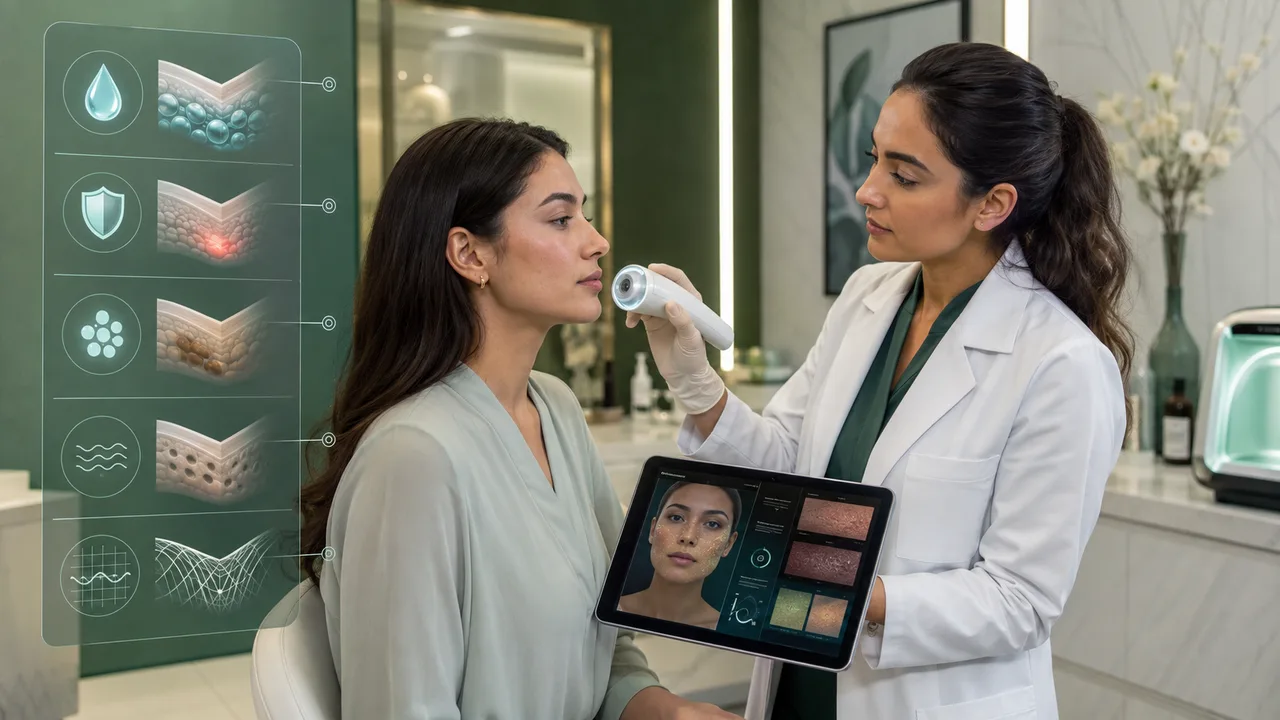
Therefore, regenerative dermatology needs to begin with an assessment of the skin foundation. This process may consider factors such as:
- Skin type and level of sensitivity.
- The condition of the skin barrier.
- The degree of inflammation, redness, irritation, or damage.
- Pigmentation status, melasma, dullness, or uneven skin tone.
- Acne scars, atrophic scars, hypertrophic scars, or post-inflammatory damage.
- The degree of aging, elasticity, and firmness of the skin.
- History of dermatological treatments, laser, peels, injections, or at-home care.
- Lifestyle factors, sleep, stress, nutrition, and hormones.
From this data, the specialist team can build a more appropriate care plan, avoiding trend-driven methods or unnecessary over-intervention.
Restoring the skin barrier
The skin barrier plays an important role in retaining moisture, protecting against harmful environmental agents, and maintaining the skin's stability. When this barrier is damaged, the skin is prone to dryness, redness, stinging, sensitivity, breakouts, or strong reactions to cosmetics and procedures.
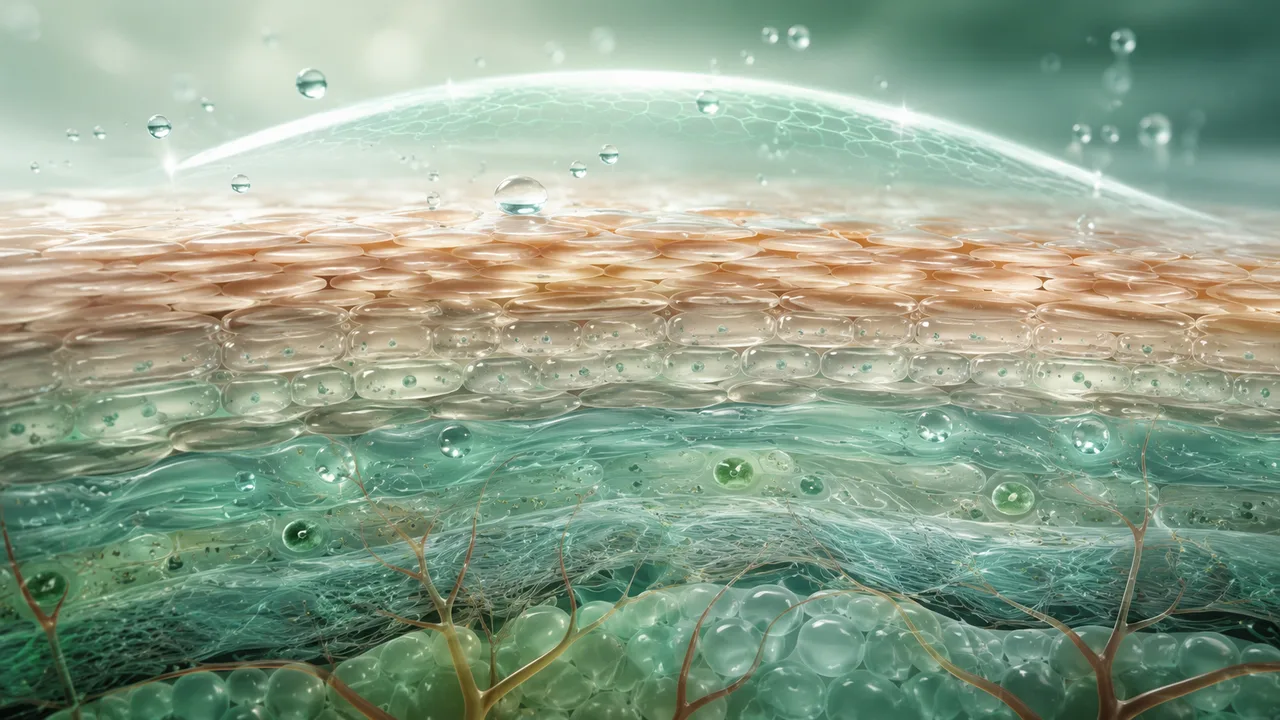
In regenerative dermatology, restoring the skin barrier is a foundational goal. This may include adjusting the at-home care routine, reducing irritating factors, supporting hydration, controlling inflammation, and selecting intervention methods suited to the skin's tolerance.
At ODB, caring for the skin barrier is regarded as an important step before performing intensive treatments, especially for skin that is weak, sensitive, or previously damaged by improper care.
Supporting skin regeneration and improving damage
The skin has the ability to self-repair, but this ability can decline with age, inflammation, underlying conditions, or environmental impact. Regenerative dermatology aims to support the wound-healing process and the remodeling of skin tissue in a controlled manner.
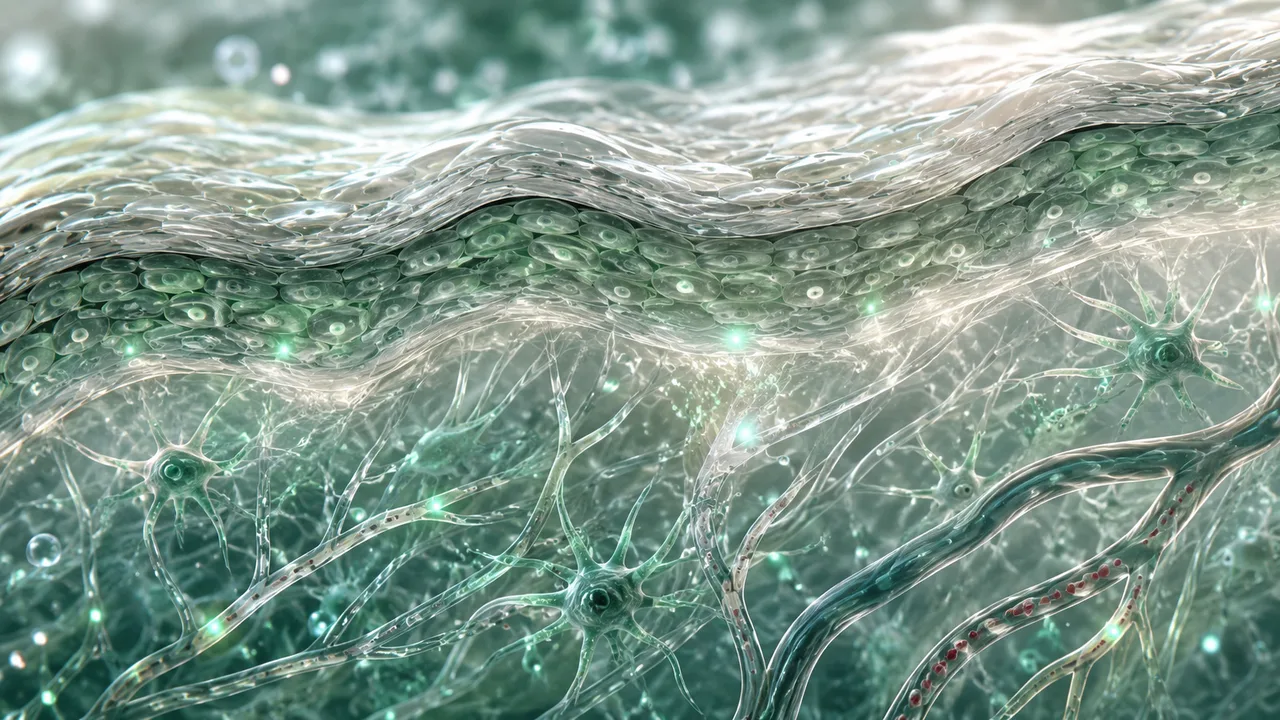
Common goals in regenerative dermatology include:
- Supporting skin recovery after acne or inflammation.
- Improving atrophic scars, acne scars, and uneven skin surface.
- Supporting skin recovery after laser, peels, or cosmetic procedures.
- Improving elasticity, firmness, and the quality of the skin foundation.
- Helping to even out skin tone and reduce signs of aging.
- Enhancing the skin's natural recovery capacity under suitable conditions.
Each condition needs to be assessed individually. Not every regenerative method is suitable for every skin type, especially sensitive skin, inflamed skin, or skin at risk of post-inflammatory hyperpigmentation.
The role of biotechnology in regenerative dermatology
Biotechnology is opening up many new research directions in skincare and skin restoration. Fields such as stem cells, cell secretomes, exosomes, biological peptides, growth factors, and skin immunology are receiving attention in regenerative medicine and modern dermatology.
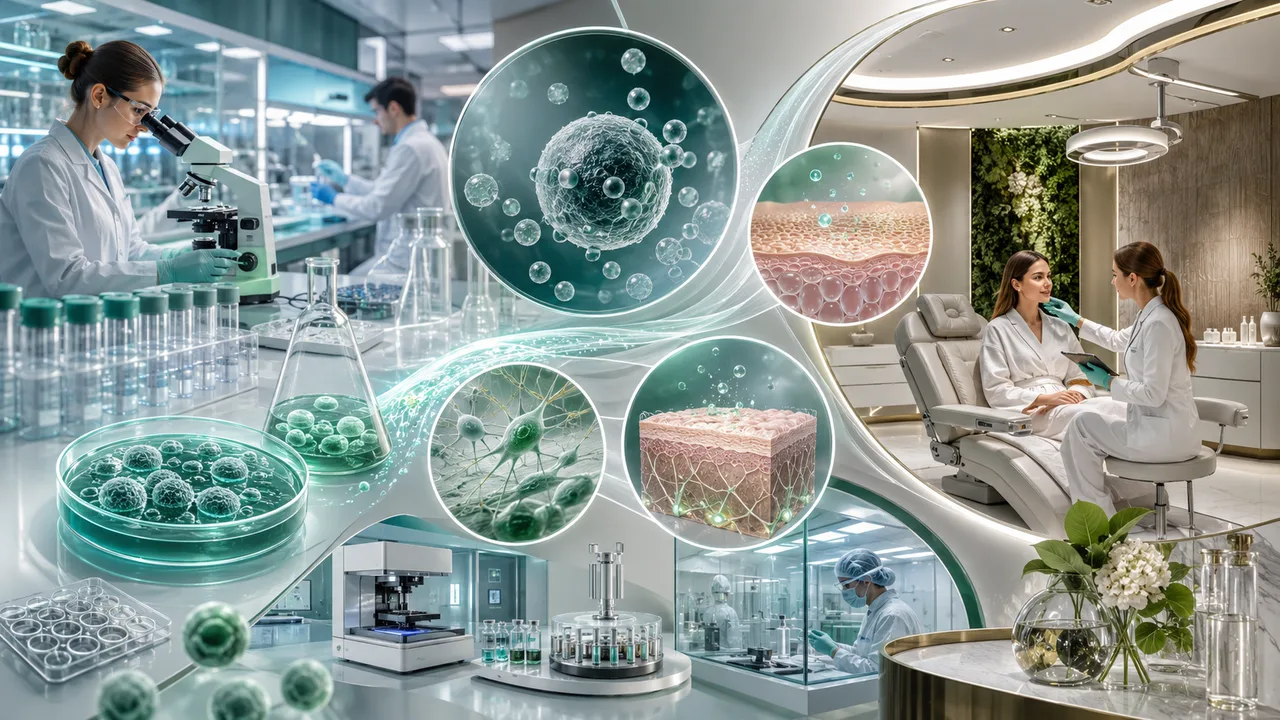
At ODB, regenerative dermatology is connected to a research foundation in cell technology and regenerative medicine. This enables ODB to approach skincare solutions in a more scientific way while remaining cautious in evaluating the suitability, quality standards, and safety level of each technology.
Skin-related biotechnologies need to be understood correctly: these are not "miracle overnight solutions" but rather a group of technologies that must be researched, standardized, and applied responsibly.
Exosomes and cell secretomes in skin-restoration research
Exosomes are very small extracellular vesicles involved in signal transmission between cells. Cell secretomes can contain many biological components such as cytokines, growth factors, and other signaling molecules.
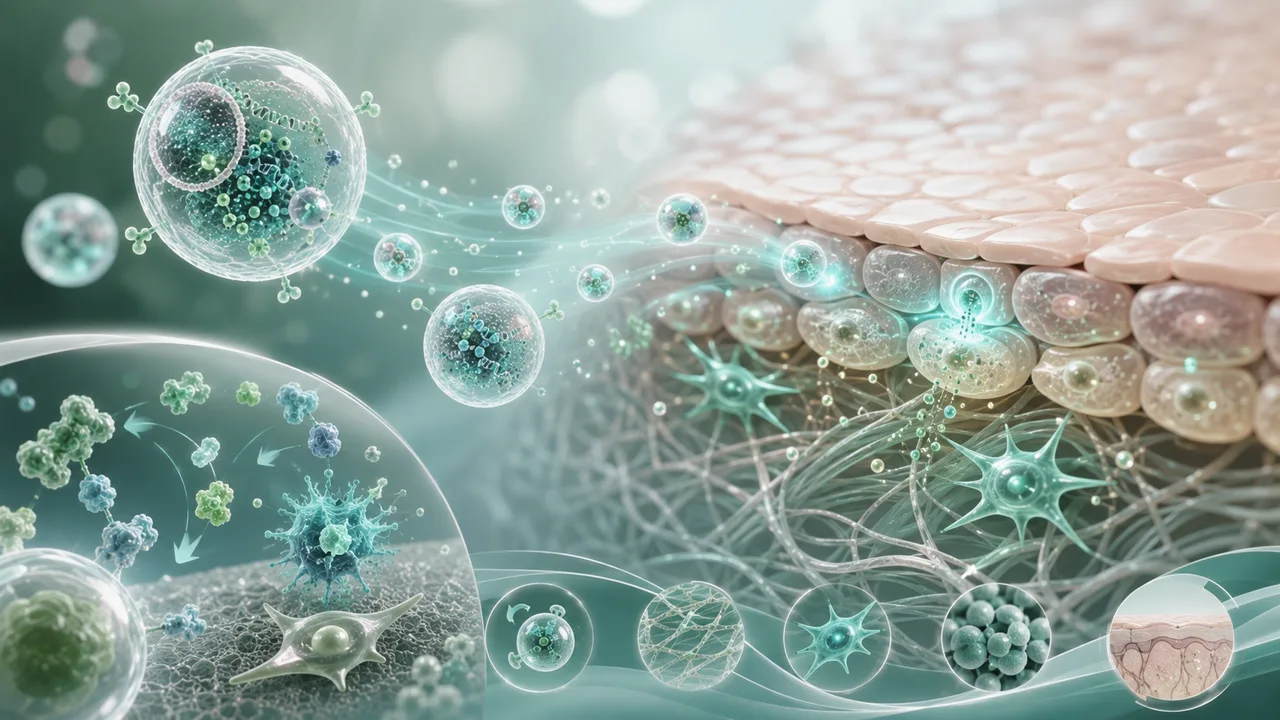
In regenerative dermatology, exosomes and cell secretomes are being studied for their potential relating to inflammation regulation, support for tissue repair, improvement of the microenvironment, and promotion of the skin-regeneration process.
However, the application of these products must be strictly controlled in terms of origin, manufacturing process, purity, quality standards, and scientific evidence. ODB approaches these technologies on the principles of caution, transparency, and compliance with current regulations.
Personalizing the skincare journey
In regenerative dermatology, personalization is the key factor. Two people with the same melasma, acne scars, or skin aging may need two entirely different care plans because their skin foundation, age, constitution, level of inflammation, lifestyle habits, and treatment response are not the same.
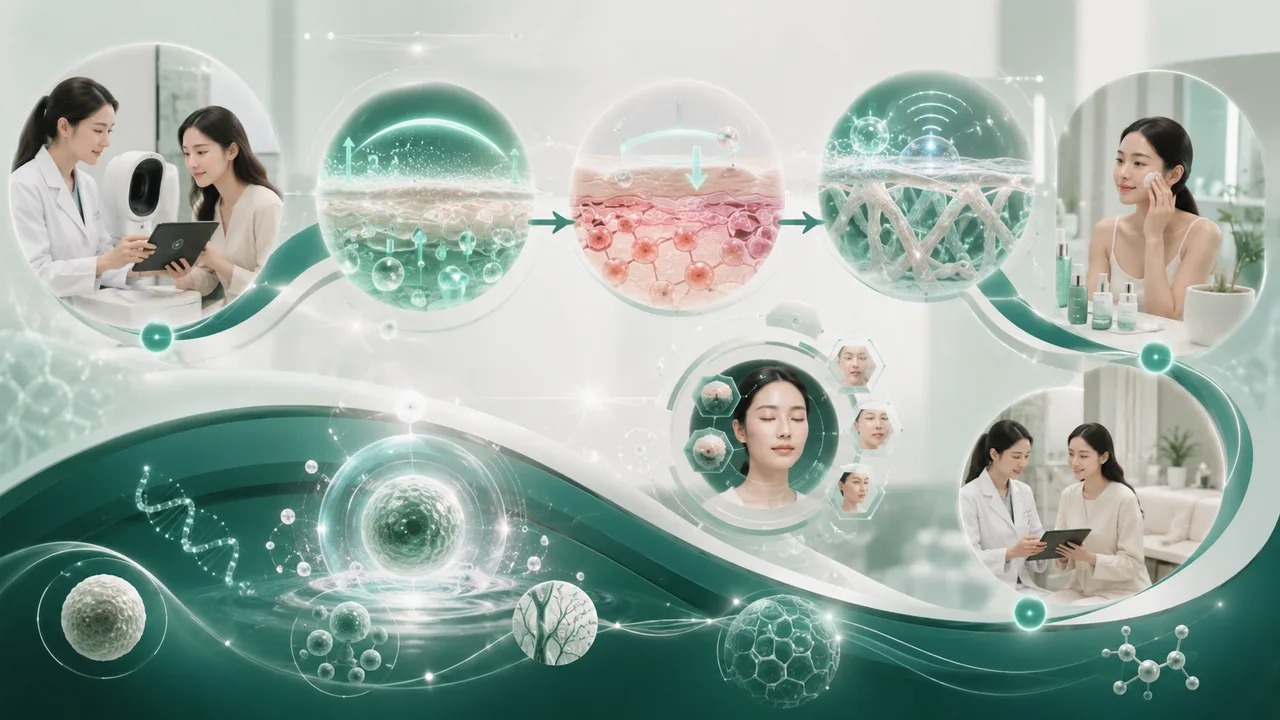
At ODB, the skincare plan can be built based on:
- The current condition of the skin foundation.
- The degree of damage and the improvement goals.
- The skin's recovery capacity.
- History of prior procedures or treatments.
- Related health factors such as sleep, stress, nutrition, and hormones.
- The at-home care plan and post-treatment monitoring.
A personalized approach helps improve suitability, reduce the risk of over-intervention, and support more stable results over time.
Connecting with proactive healthcare
Skin health is inseparable from overall health. Many dermatological problems may be related to sleep disorders, prolonged stress, micronutrient deficiencies, low-grade chronic inflammation, metabolic disorders, or hormonal changes.
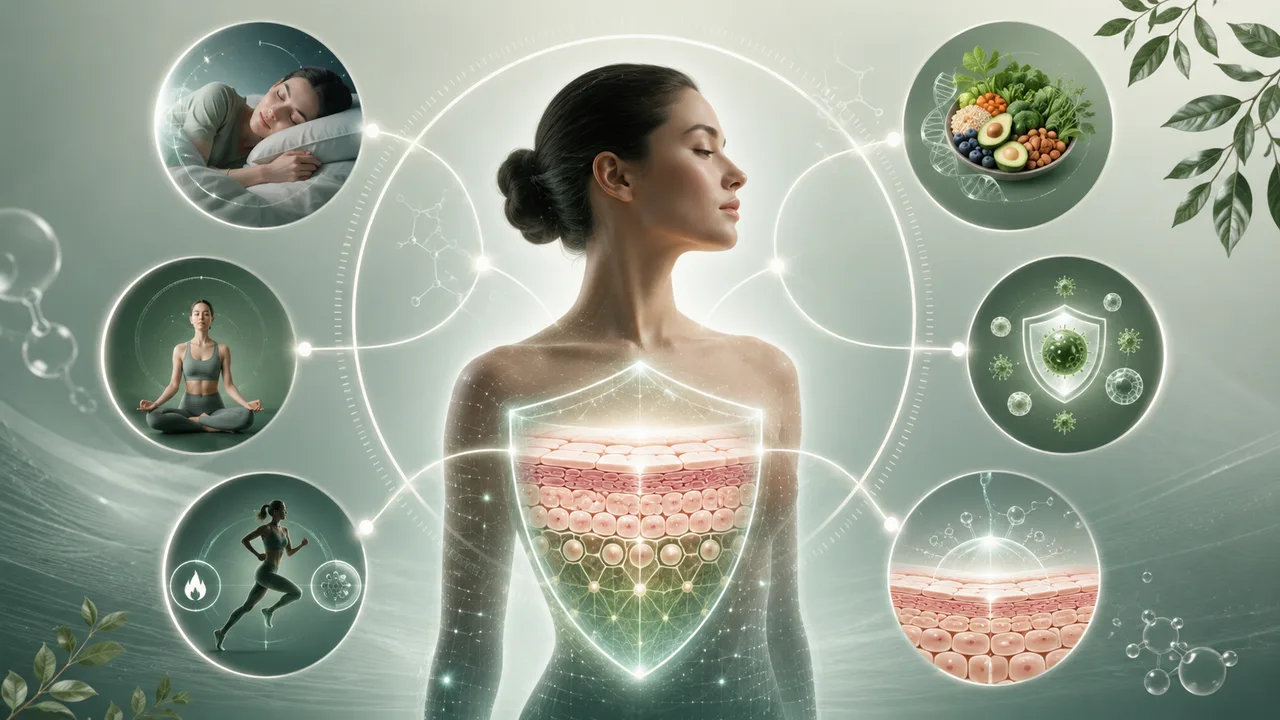
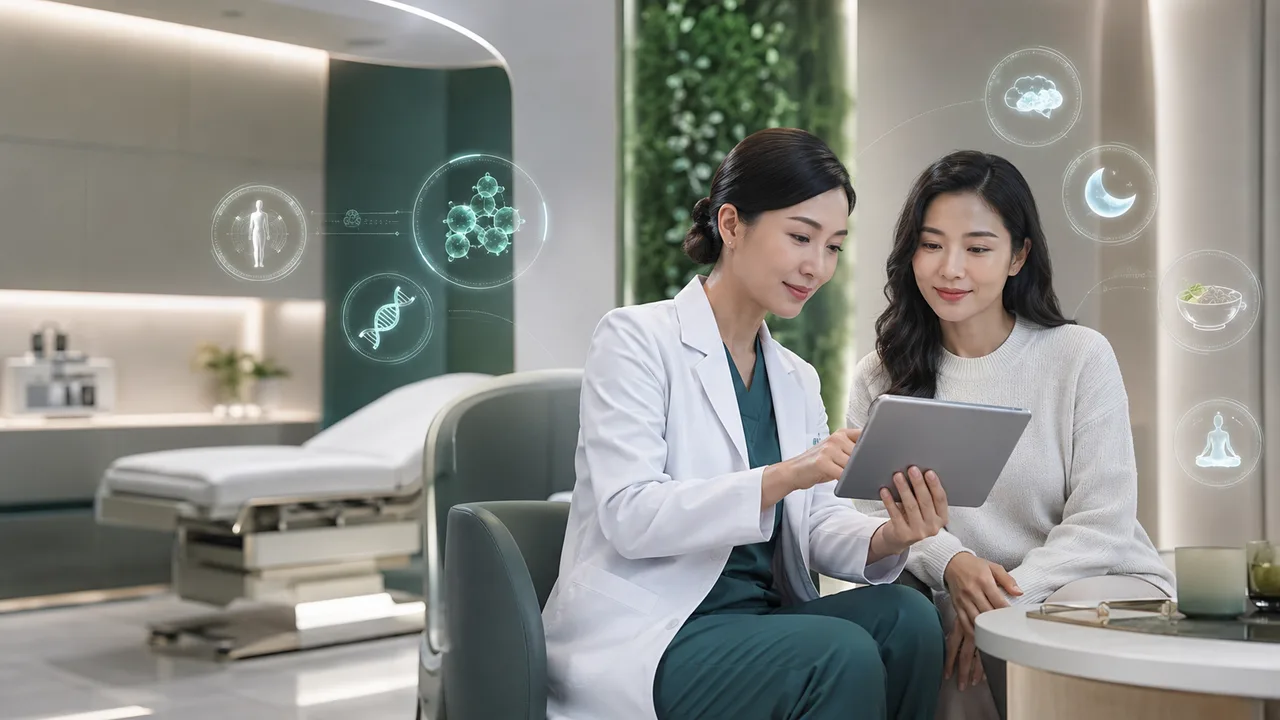
Therefore, regenerative dermatology at ODB is placed within the context of proactive healthcare. When necessary, clients may be guided to further evaluate factors related to lifestyle, metabolism, immunity, and the restoration of biological function.
This approach ensures that skincare does not stop at the surface but can connect with factors that more deeply influence the skin's ability to recover and maintain its health.
Benefits of regenerative dermatology
Regenerative dermatology offers many benefits in modern skincare:
- Supporting the recovery of weak, sensitive, or damaged skin.
- Improving skin quality in a sustainable way.
- Supporting the healing process after acne, inflammation, or procedures.
- Enhancing the ability to maintain the skin barrier.
- Helping to personalize the care plan for each skin type.
- Connecting skincare with overall health.
- Limiting the tendency toward over-intervention or trend-driven care.
This is an approach well suited to clients who want intensive, safe, and long-term-oriented skincare.
ODB accompanies you on the journey of skin restoration and regeneration
At ODB, regenerative dermatology is not merely a group of services but part of an ecosystem of regenerative medicine and personalized healthcare. ODB aims to build skincare plans based on professional assessment, real-world data, and long-term companionship.
Choosing ODB means choosing a skincare model with a scientific foundation, connecting biotechnology, personalized medicine, and proactive healthcare. The goal is not only to improve appearance but also to support the restoration of skin health from within, in a safe and sustainable way.

Please note
The information in this article is intended to introduce professional orientation and provide reference knowledge. The content does not replace consultation, diagnosis, or treatment prescribed by a specialist physician. Clients should speak directly with the specialist team to receive assessment and advice appropriate to their individual skin and health condition.