Cellular Reprogramming: A New Breakthrough in the Anti-Aging Race
What is cellular reprogramming?
Aging has long been viewed as a natural, irreversible process. However, the advance of modern biotechnology is raising a new question: can humans slow down, control, or partially repair the damage caused by aging at the cellular level?
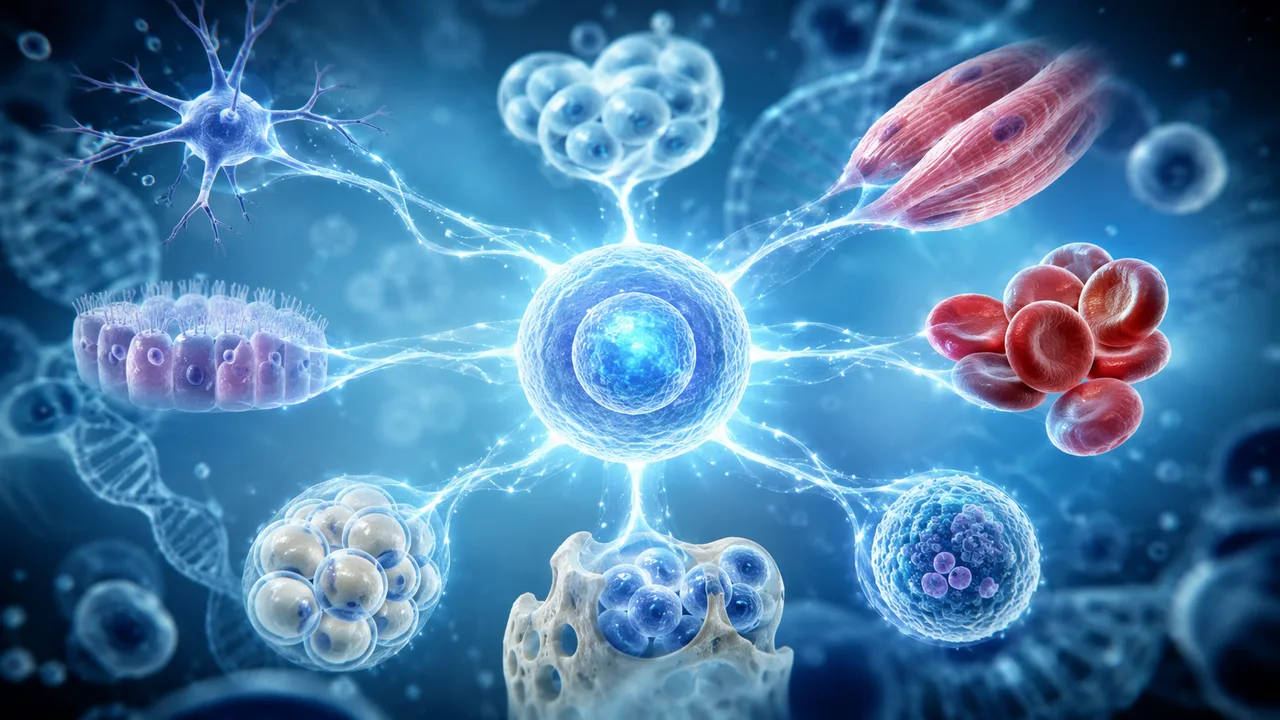
One of the most prominent lines of research today is cellular reprogramming. This is a technology that aims to readjust the biological state of cells, helping aged cells recover some younger characteristics without completely losing their original function.
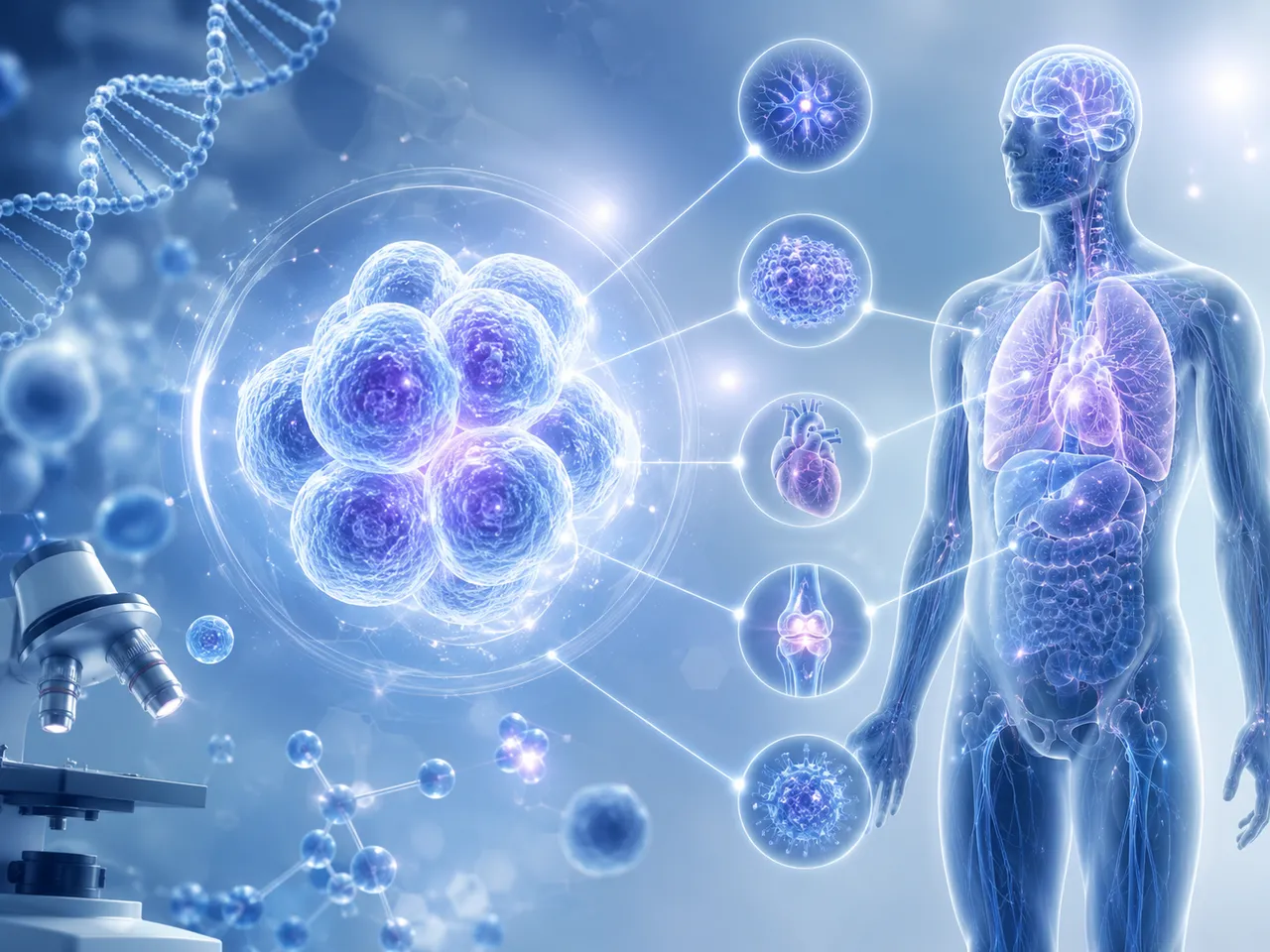
Unlike turning a mature cell all the way back into a fully pluripotent stem cell, partial reprogramming aims for “just enough rejuvenation.” This helps cells improve their activity while still retaining their specialized role within a tissue or organ.
Why is this technology drawing attention?
In the body, aging is not only expressed through wrinkles, declining physical strength, or reduced memory. At the cellular level, aging is associated with many complex changes such as dysregulated gene expression, declining mitochondrial function, accumulation of DNA damage, chronic inflammation, and a reduced capacity for tissue regeneration.
Cellular reprogramming is expected to be able to act on some of the fundamental mechanisms of aging, particularly epigenetic changes. Epigenetics can be understood as a system of “switches” that control whether genes are more or less active without altering the DNA sequence itself.
When epigenetic signals become dysregulated with age, cells may gradually lose function. Partially resetting these signals may help cells operate more efficiently.
Human trials: A major milestone for the longevity field
In recent years, the field of extending lifespan, also known as longevity science, has attracted strong interest from the scientific, technology, and investment communities. Notably, earlier studies were largely confined to animals or laboratory models, while human trials remained very limited.

A cellular reprogramming therapy entering human clinical trials is considered an important milestone. It shows that the anti-aging field is shifting from a theoretical idea toward a stage of real-world validation.
However, it is important to understand that this is not yet a “fountain of youth” in the popular sense. The immediate goal of the trials is to evaluate safety, tolerability, and initial efficacy in a specific patient group, rather than to rejuvenate the entire body.
Why was the eye chosen as the first organ for trials?
Some cellular reprogramming trials currently focus on optic nerve disorders such as glaucoma or ischemic optic nerve damage. These are diseases associated with the decline or loss of function of the optic nerve cells, which can lead to reduced vision or blindness.
The eye is considered a suitable organ for early trials because it has a relatively isolated structure, is easy to monitor with imaging tools, and allows changes in visual function to be assessed over time.
In addition, if undesirable effects occur, controlling the risk in the eye may be more feasible than in large organs such as the heart, liver, or brain.
How partial reprogramming therapy works
At the core of this technology is the activation of a group of biological factors capable of returning cells to a younger state. In stem cell research, these factors were once used to convert mature cells into induced pluripotent stem cells.
In partial reprogramming, however, this process is controlled much more tightly. Instead of “erasing the cell’s identity,” the technology activates the process only for a certain period of time or to a certain degree.
The goals are to:
- Restore part of the cell’s function.
- Improve age-related gene expression.
- Support the regeneration or protection of damaged tissue.
- Preserve the specialized function of the cell.
- Limit the risk of uncontrolled proliferation.
This is the key difference between cellular reprogramming used for regenerative medicine and the creation of stem cells in the laboratory.
Potential applications in regenerative medicine
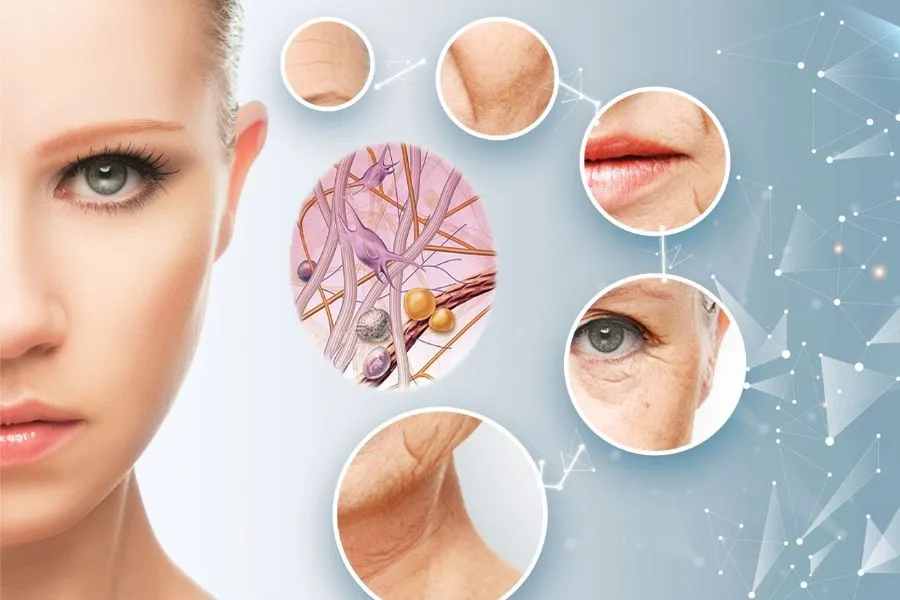
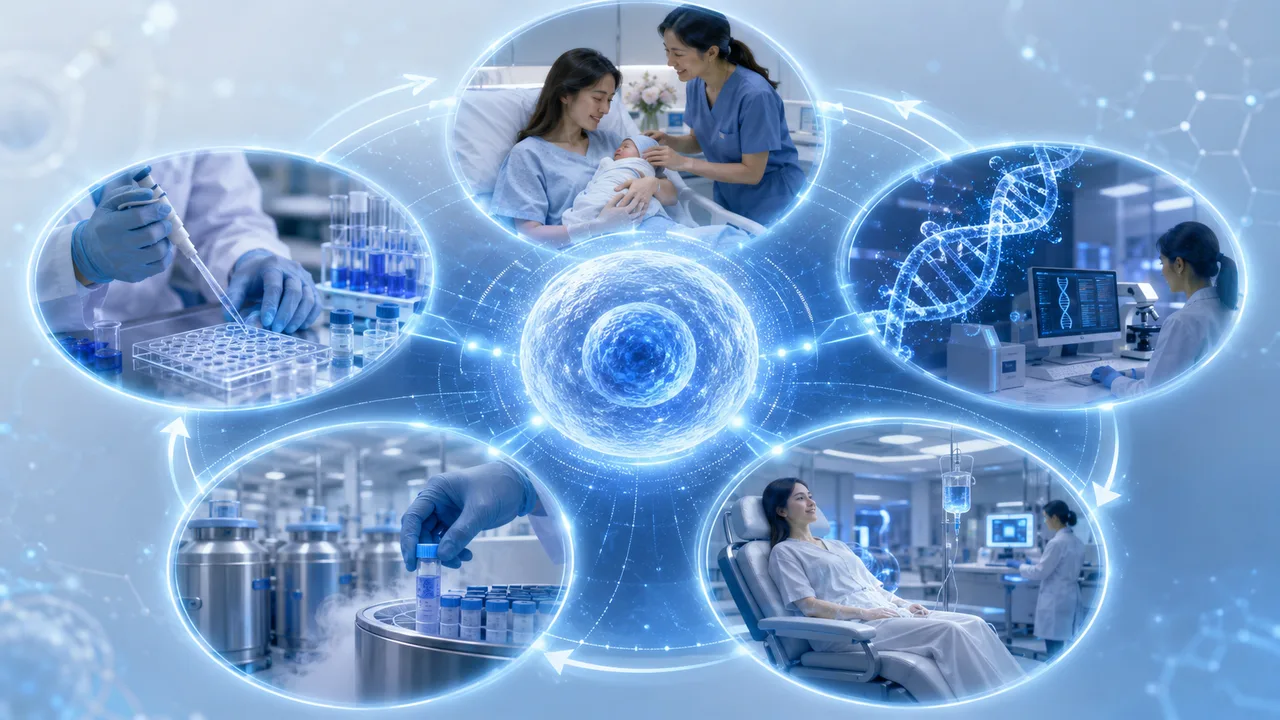
If proven safe and effective, cellular reprogramming could open up many directions of application in modern medicine.
1. Treating aging-related diseases
Many chronic diseases such as neurodegeneration, declining vision, cardiovascular disease, fatty liver, and degeneration of the musculoskeletal system are all linked to the process of cellular aging. Partial reprogramming could become a new strategy for intervening in the root cause rather than merely managing symptoms.
2. Restoring damaged tissues and organs
In regenerative medicine, an important goal is to activate the body’s capacity for self-repair. If aged or weakened cells can regain part of their function, the process of tissue repair may be improved.
3. Supporting the development of personalized therapies
This technology can be combined with genetic data, epigenetics, and artificial intelligence to build therapies tailored to each individual, each type of disease, and each stage of aging.
4. Expanding the biotechnology market
Longevity is no longer the stuff of science fiction. It is becoming a new industry, attracting major investment in anti-aging drugs, gene therapy, stem cells, regenerative medicine, and proactive health care.
Risks that cannot be ignored
Despite its enormous potential, cellular reprogramming is still a technology in its early stages. The greatest risk is that the process of rejuvenating cells could spiral out of control.
If cells are reprogrammed too far, they may lose their original function, proliferate abnormally, or form tumors. This is why clinical trials must be designed cautiously, starting with small groups and involving long-term monitoring.
In addition, many questions remain unanswered:
- Will the rejuvenating effect last?
- Could late side effects appear after many years?
- Will the technology be safe when applied to large organs?
- Will the cost of treatment be affordable for the majority of patients?
- Can the degree of reprogramming be precisely controlled in each cell type?
These questions show that we should avoid overhyping the technology while clinical evidence remains limited.
A “fountain of youth” or a cautious first step?
The media often uses appealing phrases such as “reversing aging” or “the fountain of youth.” Scientifically, however, the more accurate understanding is this: the technology is testing the ability to partially restore the function of aged or damaged cells.

That is very important, but it does not yet mean that humans can become comprehensively young again.
At the current stage, the greatest value of cellular reprogramming lies in its ability to open up new treatment methods for age-related diseases. This is a direction with high potential, but it needs to be validated with clear clinical data.
Impact on medicine and biotechnology
If the first trials yield positive results, cellular reprogramming could become one of the important foundations of next-generation medicine. The treatment approach would then shift from “repairing damage after disease appears” to “restoring cellular function before damage becomes irreversible.”

This could create a major impact across many fields:
- Regenerative medicine
- Treatment of chronic diseases
- Health care for the elderly
- Gene technology
- Stem cell technology
- Anti-aging pharmaceuticals
- Personalized medicine
However, along with the opportunity come high demands for ethics, legal frameworks, quality control, and scientific transparency.
Conclusion
Cellular reprogramming is opening a new chapter in anti-aging research and regenerative medicine. Testing it in humans is an important advance, showing that the field is gradually leaving the laboratory to move closer to clinical application.
Even so, this technology must be viewed in a balanced way. It is not a “stay young forever” solution, but rather a highly promising line of research aimed at restoring cellular function, treating age-related diseases, and improving quality of life.
In the future, if trials prove its safety and efficacy, cellular reprogramming could become one of the important pillars of modern medicine.