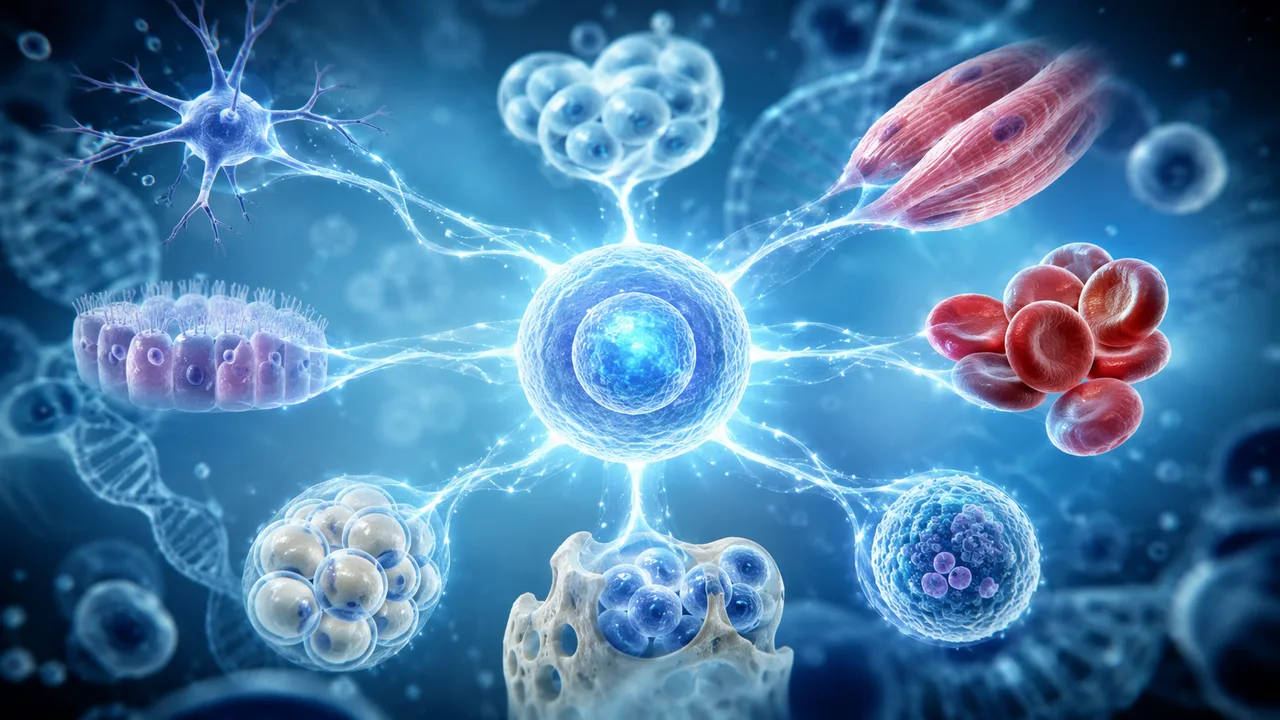
Stem Cell Transplant: A “Lifeline” for Children with Neuroblastoma
What is neuroblastoma?
Neuroblastoma is a form of cancer commonly seen in young children, particularly those under five years of age. The disease arises from the immature nerve cells of the sympathetic nervous system and can develop in the adrenal glands, the abdomen, the chest, the neck, or the pelvic region.
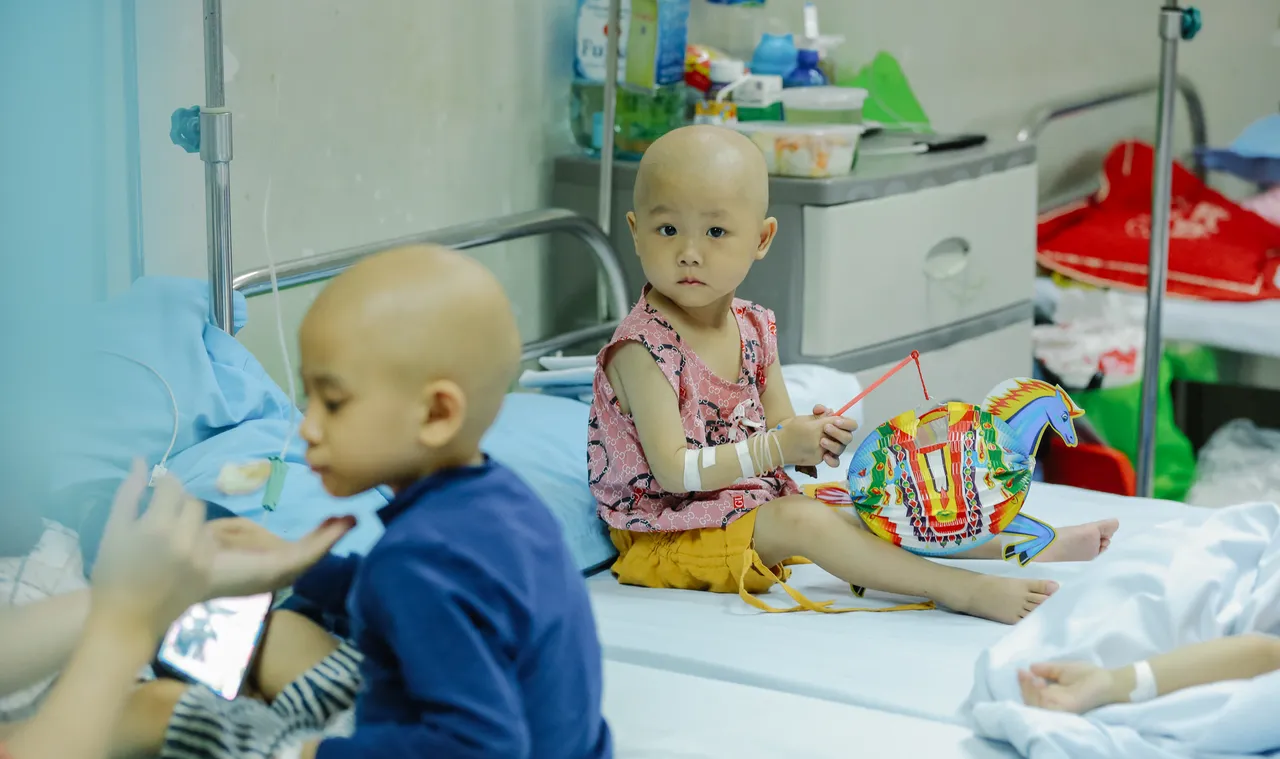
This is a malignant condition with a complex course. In some cases, the tumour grows rapidly and spreads to the lymph nodes, liver, bones, bone marrow, or other organs. When the disease is detected at a late stage or has already metastasized, treatment is often prolonged, costly, and fraught with challenges.
Why is neuroblastoma dangerous in children?
Neuroblastoma is dangerous because its early symptoms are often nonspecific. A child may have a fever, fatigue, abdominal pain, loss of appetite, weight loss, or bone pain. These signs are easily mistaken for an infection or other common illnesses.
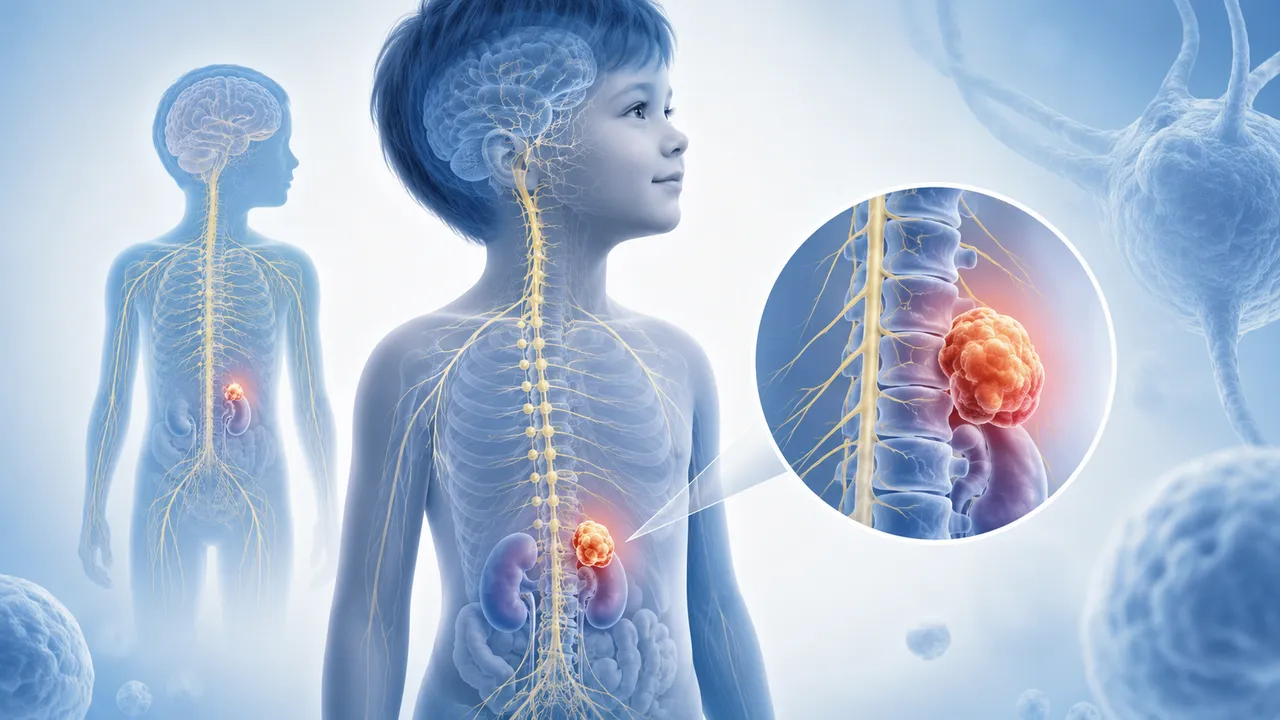
As the disease progresses, the child may develop more serious signs such as an enlarged abdomen, swollen lymph nodes, anemia, bruising, leg pain, muscle weakness, or reduced mobility. At the high-risk stage, the cancer cells can invade the bone marrow and impair blood-forming function.
For this reason, early detection and treatment following the correct protocol are key factors in increasing the chances of controlling the disease.
What role does stem cell transplantation play in treatment?
In the treatment of high-risk neuroblastoma, a child typically has to go through several phases, such as chemotherapy, surgery, radiation therapy, stem cell transplantation, and maintenance therapy. Among these, hematopoietic stem cell transplantation is regarded as a crucial step for certain severe cases.
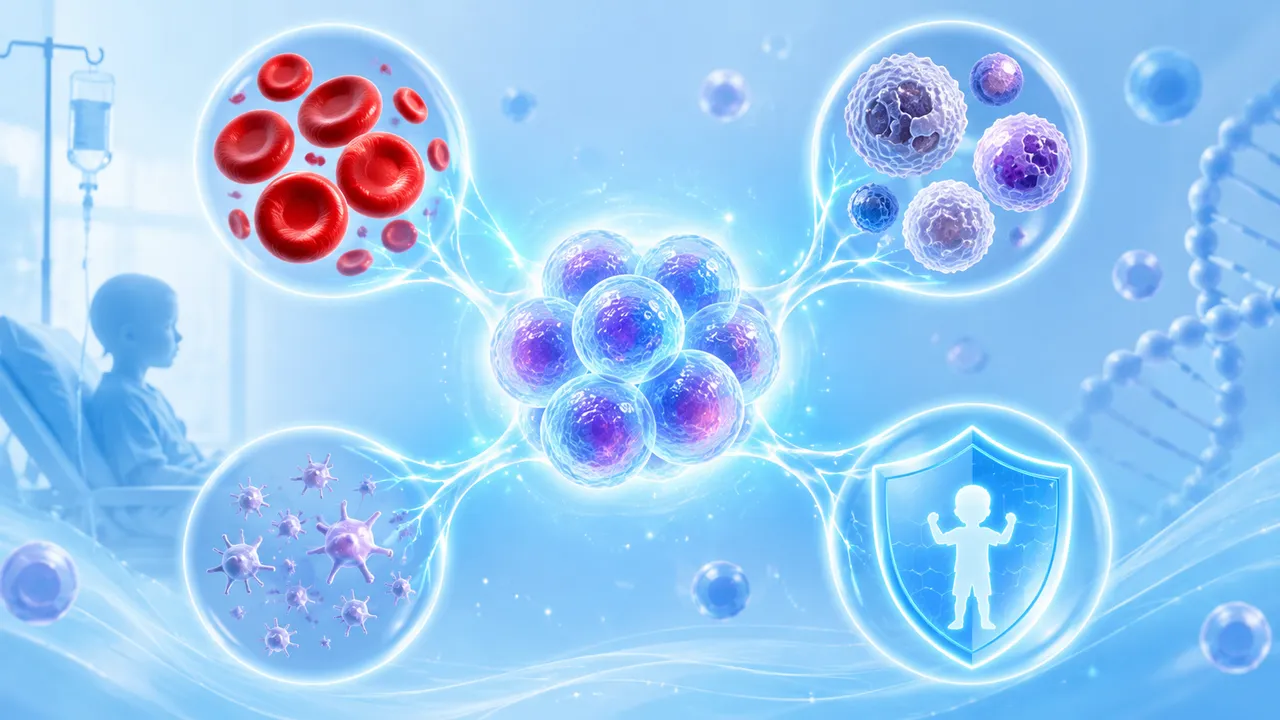
The goal of stem cell transplantation is to help the body restore its blood-forming system after the patient has been treated with high-dose chemotherapy. High-dose chemotherapy can strongly destroy cancer cells, but at the same time it also damages the bone marrow. At that point, hematopoietic stem cells are infused back into the body to regenerate red blood cells, white blood cells, and platelets.
Thanks to this mechanism, stem cell transplantation is seen as a “lifeline” in the intensive treatment protocol for children with high-risk neuroblastoma.
How do autologous and allogeneic stem cell transplants differ?
In pediatric oncology, depending on the specific disease and the patient's condition, the doctor may choose different types of transplant.
An autologous stem cell transplant is a method that uses the patient's own stem cells. The cells are collected, preserved, and then infused back after the child has completed high-dose chemotherapy. This method is commonly used in certain protocols for treating high-risk neuroblastoma.
An allogeneic stem cell transplant is a method that uses stem cells from a compatible donor. The donor source may be a sibling, a relative, or an unrelated donor who is immunologically compatible. This method is commonly applied in many malignant hematological diseases or in cases with special indications.
The choice of transplant method depends on the type of disease, the stage of the disease, the response to treatment, the patient's health status, and the assessment of the specialist physician.
How does the stem cell transplant process work?
A stem cell transplant typically requires a standardized procedure and strict monitoring.
1. Pre-transplant evaluation
The child undergoes a comprehensive assessment of their disease status, liver, kidney, heart, and lung function, blood counts, infection risk, and ability to respond to treatment. This is a crucial step in determining whether the child is eligible to undergo the transplant.
2. Stem cell collection
In an autologous transplant, stem cells are collected from the patient themselves after the appropriate treatment phase. In an allogeneic transplant, the cells are collected from a compatible donor. The cell sample is then processed, tested, and preserved according to professional standards.
3. Conditioning therapy
Before the stem cells are infused, the child is usually treated with high-dose chemotherapy to destroy as many of the remaining cancer cells as possible. This is a high-risk phase that requires intensive care and strict infection control.
4. Stem cell infusion
The stem cells are infused into the body intravenously. Once inside the body, these cells travel to the bone marrow and begin the process of engraftment and regeneration of the blood-forming system.
5. Post-transplant monitoring
After the transplant, the child needs to be closely monitored for white blood cells, platelets, red blood cells, signs of infection, bleeding, organ function, and recovery capacity. This phase can be prolonged and requires close coordination among doctors, nurses, and the family.
The journey after the transplant still holds many challenges
A stem cell transplant is not the end of the treatment process. After the transplant, the child still needs long-term monitoring to assess the risk of relapse, late complications, immune status, and physical recovery.

Some children may experience problems such as infection, anemia, low platelet counts, malnutrition, prolonged fatigue, or side effects related to prior treatment. For this reason, post-transplant care plays a role no less important than the transplant technique itself.
Families need to adhere to the follow-up schedule, nutrition, hygiene, medication, and infection-prevention guidance as directed by the physician.
Warning signs of cancer in young children that parents should watch for
Many childhood cancers can begin silently. Parents should take their child for a medical examination if there are abnormal symptoms that persist, such as:
- Fever of unknown cause.
- Fatigue and pallor.
- Weight loss or loss of appetite.
- An enlarged abdomen or persistent abdominal pain.
- Abnormal swollen lymph nodes.
- Bone pain or leg pain.
- Bruising or bleeding of unknown cause.
- Recurrent infections.
- Limb weakness or difficulty walking.
- Fussiness, poor sleep, or abnormal behavioral changes.
Early detection increases the chances of successful treatment and reduces the risk of the disease progressing to a severe stage.
The significance of stem cell transplantation in pediatric oncology
Stem cell transplantation is one of the important achievements of modern medicine, especially in the fields of hematology, oncology, and regenerative medicine. For children with high-risk cancer, this approach opens up additional opportunities to control the disease when conventional therapies are not yet effective enough.

The significance of stem cell transplantation lies not only in regenerating the blood-forming system, but also in its ability to help a child continue with intensive treatment phases, thereby improving prognosis and quality of life.
However, this is a complex technique that requires a healthcare facility with highly qualified specialists, a strict infection-control system, a standard-compliant transplant unit, and a safe cell-processing procedure.
Conclusion
Stem cell transplantation is playing an important role in the treatment of certain high-risk childhood cancers, including neuroblastoma. This approach helps restore the blood-forming system after high-dose chemotherapy, supports disease control, and opens up additional chances of survival for pediatric patients.
Nevertheless, the journey of pediatric cancer treatment still holds many difficulties, especially in the post-transplant phase. Early detection, treatment following the correct protocol, comprehensive care, and the choice of a reputable healthcare facility are the key factors that help improve treatment outcomes for children.